Summer in Cottonwood and the Verde Valley does not ease in, it arrives. Afternoon highs climb well past 100 degrees, the sun is relentless, and then the monsoon rolls through in July and August with dust storms and sudden bursts of humidity that change the rules overnight. That combination puts a unique kind of stress on a home cooling system, one that homeowners in milder climates never have to think about. Learning how to keep your house cool in summer in the high desert is about working with that heat, not just fighting it: a strong, clean cooling system, smart habits, a home that blocks the sun, and knowing the warning signs before a breakdown leaves you sweating through a 108-degree afternoon. At Trio Quality Services, we keep homes cool across Cottonwood and the surrounding Verde Valley all season, and most of the misery we see is preventable.
This guide covers everything that goes into a cool, comfortable desert home: why your AC works so hard here, the maintenance that keeps it alive through the heat, the thermostat and airflow habits that save you money, what your home itself can do to keep the sun out, how the monsoon changes what your system has to handle, and the warning signs that mean it is time to call a professional. Follow it and you will get through an Arizona summer with fewer surprises and a system that lasts longer.
Why Your AC Works So Hard in the Verde Valley
An air conditioner does not create cold so much as it moves heat out of your house and dumps it outside, over and over. When it is 105 degrees out, there is an enormous amount of heat to move, and your system may run almost nonstop through the afternoon and into the evening. In our climate, an AC that would coast in a cooler place is pushed to its limit for months at a stretch, so any weak component fails fast and any neglected maintenance catches up quickly.
Then the monsoon arrives and adds a second challenge: humidity. For most of the year our air is bone dry, but during monsoon season the moisture climbs, and suddenly your system has to pull water out of the air on top of lowering the temperature. That is why a house can feel sticky and uncomfortable in August even when the thermostat reads the same as it did in June. Understanding both the raw heat and the monsoon moisture is the foundation of really knowing how to keep your house cool in summer in the desert.
Start With a Cooling System That Can Take the Heat
The single biggest factor in a cool desert home is a healthy cooling system, and the best time to make sure yours is ready is before the worst heat hits, not during it. A system that limps into June will not survive July here.
The Pre-Season Tune-Up
A professional tune-up checks the refrigerant charge, tests the compressor and capacitor, cleans the coils, and confirms the whole system is moving heat the way it should. These are exactly the parts that fail under sustained desert load, and catching a weak capacitor or a low charge in spring is a minor visit instead of an emergency call during a heat wave. If you have not had your system serviced this year, that is the first move. Our team handles the full seasonal check, and staying ahead of it is far cheaper than an urgent AC repair in Cottonwood on the hottest day of the year.
Keep the Outdoor Unit and Coils Clean
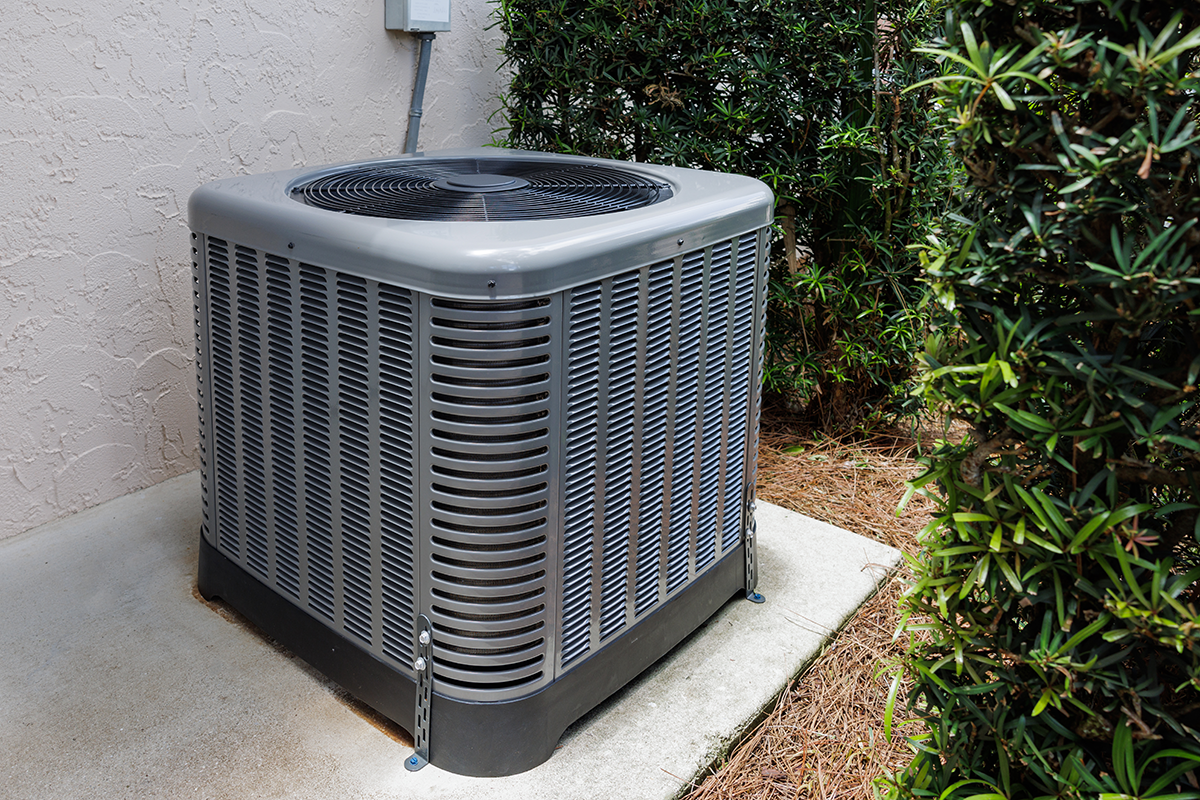
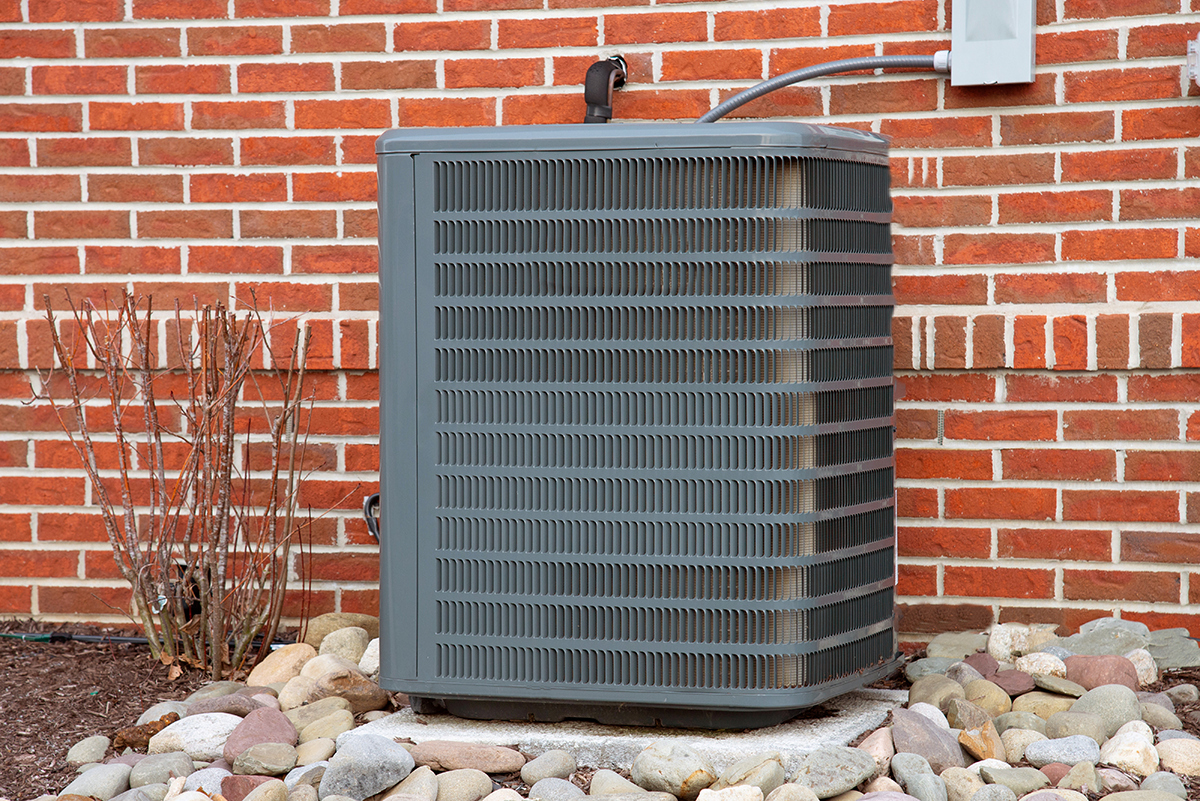
The desert throws dust at your equipment constantly, and it settles right where it does the most harm. Your outdoor condenser unit releases the heat your system pulls from the house, and when its coils are caked with dust, pollen, and cottonwood fluff, it cannot shed that heat and the whole system loses efficiency. Keep at least a couple of feet of clearance around the unit, gently rinse the exterior fins when they look dirty, and never let landscaping or debris crowd it. A dust-choked AC condenser unit is one of the most common reasons a desert system struggles, and it is largely preventable.
Change the Filter Often
Nothing sabotages a cooling system faster or more quietly than a dirty air filter, and desert dust clogs filters fast. When the filter blocks up, airflow drops, the system works harder for less cooling, and the coil can freeze over. During heavy summer use, check your filter monthly and change it every one to two months, sooner during dusty stretches or if you have pets. A clean filter is the cheapest cooling upgrade you will ever buy.
Run Your Thermostat Smart, Not Cold
How you run your thermostat has a big effect on both comfort and cost, and in a climate where the AC runs for months, small habits add up to real money. The instinct to crank it way down for faster cooling is a myth. Your system cools at the same rate no matter where you set the target, so setting it to 68 just makes it run longer and cost more.
Smart Setpoints for Desert Heat
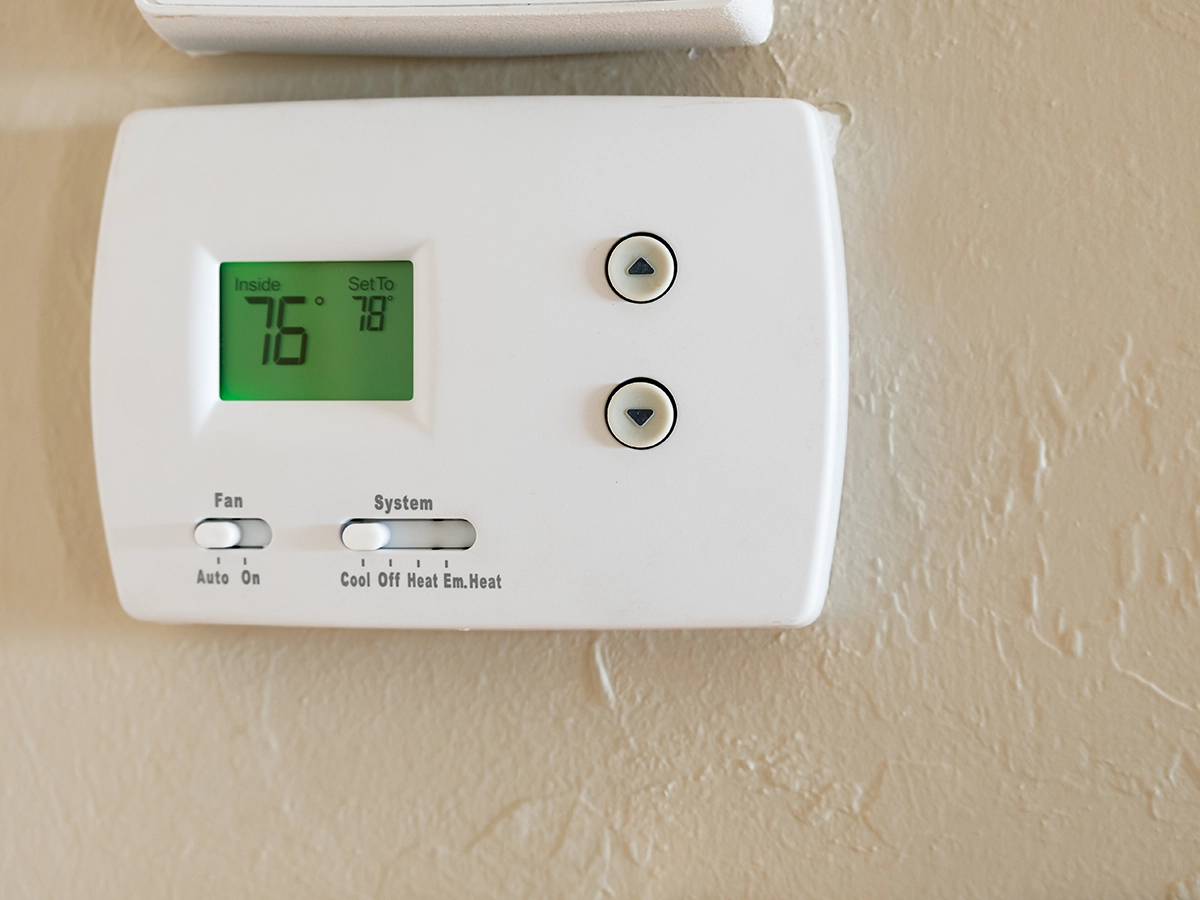
A comfortable, efficient target for most homes here is in the high 70s when you are home, letting it drift higher when the house is empty. A programmable or smart thermostat does this automatically so you are not paying to cool empty rooms through the hottest part of the day. Just be realistic about the setback: in extreme heat, letting the house climb too high while you are out means the system runs for a very long time to recover, so a moderate setback works better than a dramatic one. If your thermostat is old or never quite matches how the house feels, a thermostat installation is one of the highest-return upgrades you can make.
Use Fans to Feel Cooler
Ceiling and box fans do not lower the temperature, but they make you feel several degrees cooler by moving air across your skin, which means you can raise the thermostat a couple of degrees and feel exactly the same while the AC runs less. Set ceiling fans to spin counterclockwise in summer so they push air down, and turn them off in empty rooms, since a fan only helps a person who is actually there.
Help Your Home Keep the Sun Out
Your cooling system is only half the equation. The other half is your home, and how well it blocks the desert sun and holds cool air inside. Every bit of heat you keep out is heat your system does not have to fight.
Block the Sun Before It Gets In
Direct sun through windows is one of the biggest heat sources in a desert home. Close blinds and curtains on the south and west sides during the hottest part of the afternoon, and consider solar screens or reflective window film on the windows that take the worst of the sun. Outside, shade over your windows and even over the outdoor unit helps, as long as the unit still has room to breathe. These steps make a bigger difference here than almost anywhere else in the country.
Seal the Leaks and Check the Insulation
Gaps around doors, windows, and where pipes or wires enter the house let your cooled air escape and let superheated outdoor air pour in. Weatherstripping and caulk are inexpensive fixes. In the attic, where temperatures can soar to brutal levels under a desert sun, good insulation keeps that heat from radiating down into your living space. Many Verde Valley homes benefit more from sealing and insulation than from any other single improvement.
Getting Through Monsoon Season
The monsoon changes the game every summer, and a system tuned only for dry heat can struggle when the moisture arrives.
Humidity and Comfort
When monsoon humidity climbs, your home can feel sticky even at a comfortable temperature because the moisture load is higher than your AC alone was sized to handle. Running the system steadily rather than in short bursts helps it remove moisture, and for homes that feel damp through the wettest weeks, whole-home dehumidification takes the load off. If the muggy stretch bothers your family every year, it is worth looking at the best whole house dehumidifier options for Arizona homes.
Dust Storms and Power Surges
Monsoon dust storms coat your outdoor unit and clog filters in a hurry, so plan to check both after a big blow. The storms also bring lightning and power flickers that are hard on compressors and control boards, so a surge protector for the system is cheap insurance against an expensive failure. After a storm knocks the power out and back on, give the system a few minutes before expecting it to restart, and if it will not, that is a call worth making before the heat builds back up.
Warning Signs Your AC Needs a Professional
Part of keeping your house cool is recognizing when your system is telling you it needs help, before it quits entirely on a 108-degree day. Call a professional if you notice any of these:
- Warm or room-temperature air coming from the vents while the system runs
- The unit running constantly but never reaching the thermostat setting
- Ice or frost on the refrigerant lines or the indoor coil
- Water pooling around the indoor unit or a clogged, overflowing drain line
- Grinding, buzzing, or banging noises, or a burning or musty smell
- A sudden jump in your power bill with no change in how you use the system
Several of these point to specific, common failures. If the system runs but the house never cools, our guide on why an AC runs but is not cooling walks through the likely causes. Warm air from the vents is its own frequent summer call, and an AC blowing hot air usually traces back to a handful of issues worth diagnosing early. When the system simply is not keeping up, do not wait it out in the heat, since an air conditioner not cooling tends to get worse fast. In any of these cases, turn the system off to prevent further damage and call us.
Repair or Replace: Making the Smart Call
If your cooling system is aging and this is the third summer it has needed a repair, you are right to wonder whether you are throwing good money after bad. In our climate, where the system runs harder and longer than almost anywhere, units wear out sooner, and a modern high-efficiency system can cool better while using noticeably less energy through our long season.
What Goes Into the Decision
The honest answer depends on the age of the system, the cost of the repair against the value of the unit, and how your energy bills have trended. We would rather give you a straight assessment than sell you something you do not need, and sometimes the right call is a smart repair that buys you a few more good years. If you are weighing it, understanding what drives an AC unit replacement cost helps you make the decision with real information rather than a guess.
Cottonwood and Verde Valley Summer Tips
Cooling advice is only as good as the place it is written for, and the high desert has its own rules.
Respect the Extreme Load
Because our systems run so hard for so long, maintenance is not optional here, it is the difference between a system that lasts and one that fails early. The homeowners who sail through July are almost always the ones who service their equipment every year and stay on top of the filter and the coils. Sizing matters too: a system that is undersized for a west-facing desert home will never keep up, and one that is oversized short-cycles and leaves the house muggy during monsoon. Getting that right is worth an expert opinion.
How to Keep Your House Cool in Summer at the Right Times
Our big daily temperature swing is an asset if you use it. On the rare mild night, pulling in cooler evening air can give your system a break, though during a true heat wave it is often better to keep the house sealed and let the AC hold a steady setpoint rather than chasing the outdoor swings. Pre-cooling the house in the morning before the peak, then easing off during the hottest hours, also lines up better with how energy is priced in much of the region.
Frequently Asked Questions
What temperature should I set my thermostat to during an Arizona summer?
For most homes here, a setting in the high 70s while you are home is comfortable and efficient, with a moderate rise while the house is empty. Setting it far lower does not cool faster, it just runs the system longer and raises your bill. In extreme heat, avoid dramatic setbacks, since the system has to run a very long time to recover from a house that has fully heated up.
Why is my house muggy during monsoon season even with the AC on?
For most of the year our air is dry, so your AC is sized mainly to lower temperature. When monsoon humidity climbs, the moisture load rises beyond what cooling alone removes, and the house feels sticky. Running the system steadily helps it pull out moisture, and whole-home dehumidification is the reliable fix for homes that feel damp through the wettest weeks.
How often should I clean my outdoor unit in the desert?
Check it regularly through the season and especially after dust storms, when a single monsoon blow can coat the coils. Keep a couple of feet of clearance around it, keep landscaping and debris back, and gently rinse the fins when they look dirty. A dust-choked condenser cannot shed heat, which is one of the most common reasons a desert system struggles.
Why does my AC run all day but the house never gets cool?
In extreme heat a system may run constantly just to keep up, but if it truly cannot reach the setpoint, common causes include a dirty filter or coil, low refrigerant, a failing compressor, or a unit that is undersized for the home and its sun exposure. Because these worsen quickly in our heat, it is worth having the system diagnosed rather than waiting it out.
How often should a desert AC system be serviced?
At least once a year, ideally in spring before the heat arrives, because our systems run harder and longer than in milder climates. Annual service keeps the refrigerant charge correct, the coils clean, and the electrical components tested, all of which extend the life of the system and cut the odds of a breakdown during a heat wave.
Let Trio Quality Services Keep Your Home Cool
Knowing how to keep your house cool in summer here comes down to a healthy system, a smart thermostat, a home that blocks the sun, a plan for the monsoon, and knowing when a problem needs a professional. These are the same desert cooling habits we share with our neighbors across Cottonwood and the Verde Valley every year, and they add up to lower bills and fewer breakdowns.
When your cooling system needs more than a filter change, or you just want an expert set of eyes on it before the worst of the heat, the team at Trio Quality Services is ready to help. We know the homes and the climate here because we live and work in the Verde Valley too. Reach out to Trio Quality Services and we will make sure your home is ready to stay cool all summer long.