If you’re wondering about AC unit replacement cost, you’re asking exactly the right question, and it’s one we hear often. The truth is, the final number depends on several key factors: the size and efficiency rating of the new system, the complexity of the installation, whether existing ductwork or electrical work needs updating, and the specific cooling needs of your home. Because every home and situation is different, we provide a detailed estimate after one of our experienced technicians visits your property, evaluates your current setup, and discusses your comfort goals. That way, you know exactly what you’re investing in before any work begins.
Understanding AC Unit Replacement Cost
When your air conditioner struggles to keep your Cottonwood home comfortable or shows its age through frequent breakdowns, the conversation shifts from routine repair to full replacement. Unlike a simple component swap, replacing the entire system means evaluating your home’s cooling load. This is the amount of energy needed to maintain the temperature you want. We then match it to a unit sized correctly for your space. According to HomeGuide, one ton of cooling equals 12,000 BTUs and cools approximately 500 to 600 square feet. This benchmark helps us determine whether your home needs a two-ton, three-ton, or larger system.
Several factors drive what you’ll invest in a new air conditioning system. The unit’s SEER rating plays a significant role. SEER stands for Seasonal Energy Efficiency Ratio, a measure of cooling output per unit of electricity. Higher-efficiency models cost more upfront but reduce monthly utility bills. The complexity of your ductwork matters, too. If your existing ducts need sealing, rerouting, or replacement to match the new unit’s airflow, that adds labor and materials. Equipment accessibility, the scope of electrical upgrades, and whether you’re switching to a different system type all shape the final quote.
When you call Trio Quality Services in Cottonwood, we conduct a thorough assessment of your home’s square footage, insulation, window exposure, and existing infrastructure. Then we provide a detailed estimate that reflects your specific situation. We also offer financing and payment plans to help you move forward with confidence.
What Affects AC Unit Replacement Cost?
When homeowners in Cottonwood need a full AC replacement, the investment depends on several key factors that shape the scope of the project. Understanding what drives the quote helps you make an informed decision and plan accordingly. We walk through each of these factors during our in-home assessment, so you know exactly what’s included before work begins.
System Type and Efficiency Rating
The type of air conditioning system you choose matters greatly. Options include central air, heat pump, or mini-split systems. Along with that, the SEER rating is one of the biggest variables. SEER stands for Seasonal Energy Efficiency Ratio, a measure of how efficiently the unit cools per watt of electricity. Higher-efficiency models typically carry a larger upfront expense but can lower your monthly utility bills over the years. We help you compare options that match your home’s cooling needs, your comfort goals, and your long-term energy savings.
Installation Complexity and Home Layout
Every home is different. If your existing ductwork is in good shape and your new unit matches the footprint of the old one, installation is more straightforward. However, if we need to modify or replace ductwork, relocate the air handler, upgrade your electrical service to handle a higher-capacity system, or navigate tight attic or crawlspace access, the labor and materials required will increase. Homes with unique layouts, older infrastructure, or multi-story designs often need additional work. That extra effort ensures safe, code-compliant operation.
Refrigerant Type and Local Code Requirements
Newer systems use environmentally friendly refrigerants that meet current regulations. Some older homes may need line-set replacements or electrical upgrades to stay compliant. Local building codes and permit requirements also play a role in the timeline and scope. Our licensed technicians handle all permitting and inspections, so your new system meets Cottonwood standards from day one. For homeowners concerned about managing the investment, we offer financing and flexible payment plans to help spread the expense over time.
System Size and Efficiency Ratings
One of the biggest drivers in an AC unit replacement cost is matching the right-sized equipment to your home’s actual cooling load. When we assess your replacement needs, we calculate the precise tonnage required based on square footage, ceiling height, insulation quality, window count, and the number of heat-generating occupants and appliances. A system that’s too small will run constantly, wear out faster, and never quite keep up on hot Cottonwood afternoons. An oversized unit cycles on and off too frequently. This creates humidity problems and unnecessary strain on the compressor. Both sizing mistakes cost you more in the long run, either through early failure or wasted energy every month on your utility bill.
The efficiency rating is measured in SEER, or Seasonal Energy Efficiency Ratio. This is the other major piece of the puzzle. According to the U.S. Department of Energy, current federal minimum standards require at least 14 SEER for new installations. Higher-efficiency models range from 16 SEER to over 20 SEER for premium units. The gap between a 14 SEER system and an 18 SEER system shows up in two places on your quote: the equipment itself and the installation complexity.
Higher-efficiency units often require variable-speed components, better ductwork sealing, and more precise refrigerant charging. All these factors influence what we include in your estimate. Over the years you own the system, though, that higher SEER rating translates directly into lower monthly cooling costs. This benefit is especially clear during our intense summer months when your system runs hard.
When our licensed technicians perform a load calculation and walk you through your options, we explain how each efficiency tier affects both the upfront investment and your ongoing operating expenses. Some homeowners prioritize lower initial outlay. Others want maximum efficiency to reduce bills for the next fifteen years. Either way, proper sizing isn’t optional. It’s the foundation of reliable, cost-effective cooling. If you’re ready to explore what the right-sized, appropriately efficient system looks like for your home, contact us for a thorough assessment and detailed estimate tailored to your property.
Installation Complexity and Labor
Even when two homes in Cottonwood need the same tonnage and efficiency rating, the labor required to complete the installation can vary dramatically. One of the biggest factors in your AC unit replacement cost is how much work goes into adapting your existing setup to accommodate the new system. If your current ductwork is sized correctly, in good condition, and properly sealed, the installation proceeds more smoothly. But when ducts need significant modification, such as expanding trunk lines, adding new branch runs, or replacing sections that have deteriorated, the scope of the project grows. Leaky or undersized ducts also force the new equipment to work harder than it should. For that reason, we often recommend addressing those issues at the same time to protect your investment and ensure the system performs as designed.
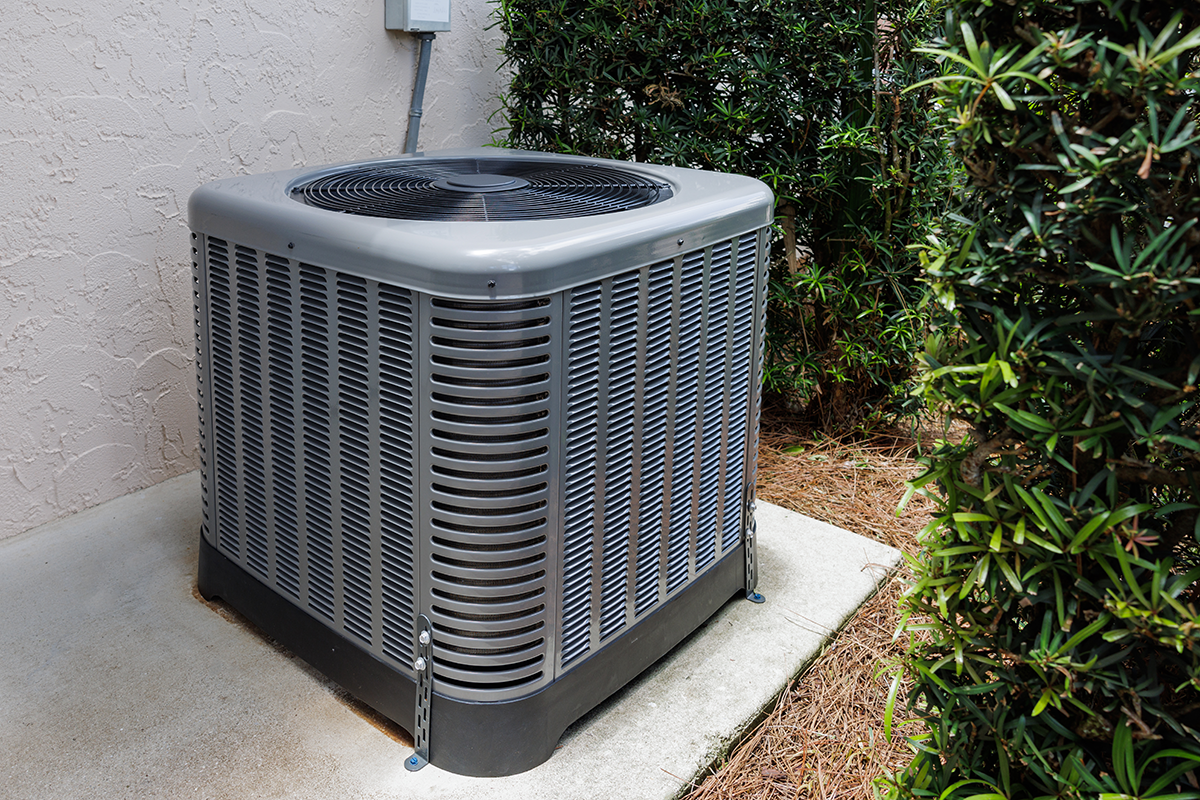
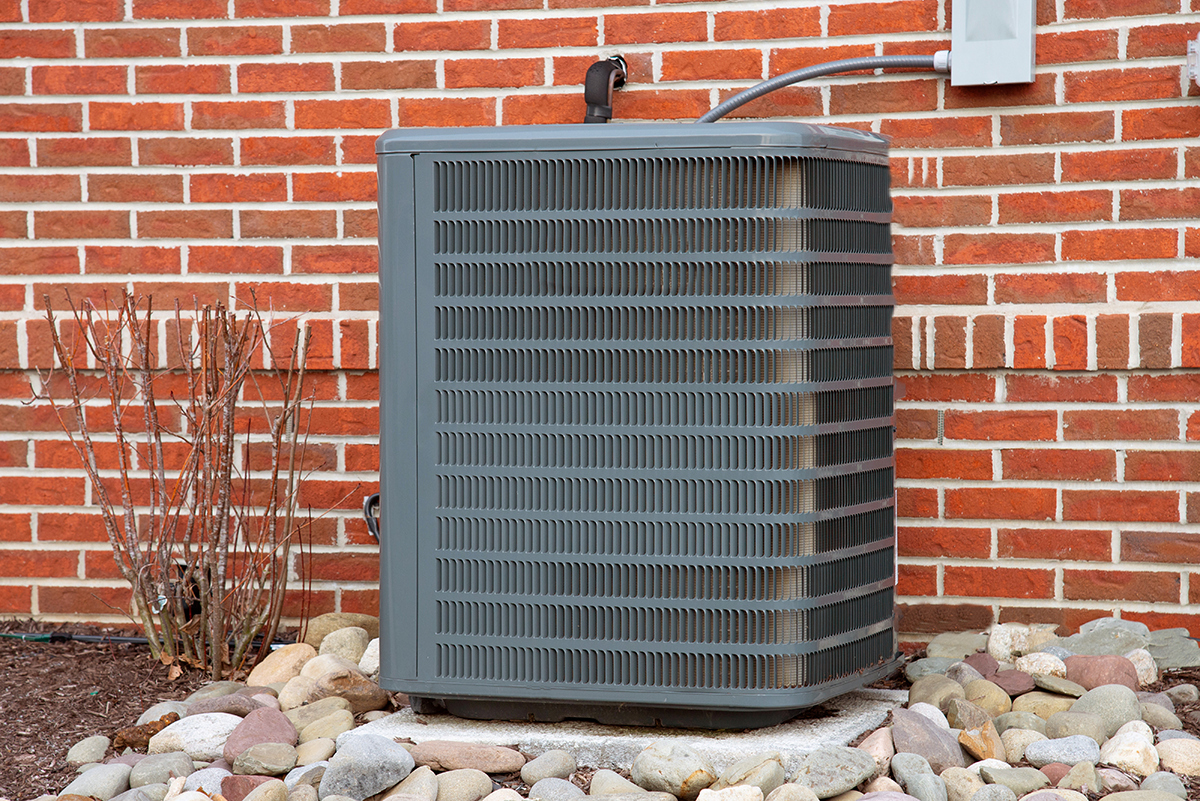
Electrical upgrades represent another layer of complexity. Older homes may have service or wiring that can’t safely support a modern high-efficiency air conditioner. This is especially true if you’re moving from a lower-SEER model to a variable-speed unit with more sophisticated controls. When we assess your home, our licensed technicians evaluate your current electrical capacity, the condition of the disconnect, and the conduit connecting the outdoor unit to the power source. We also check whether your service has adequate capacity. If an electrical upgrade is needed, a licensed electrician coordinates with our HVAC team. Everything is brought up to code before the new system goes live.
Accessibility plays a role, too. An outdoor unit sitting on a concrete pad in an open side yard takes less time to remove and replace than one perched on a rooftop or tucked into a cramped crawlspace. Indoor air handlers installed in finished closets with limited clearance or mounted in attics with restricted access require more careful planning. Sometimes additional crew members are needed. Every one of these factors shapes the hours of skilled labor involved. That’s why we walk the site and provide a detailed estimate that reflects your home’s unique conditions before any work begins.
Reducing Long-Term AC Replacement Costs
The smartest way to protect your investment starts the day your new system goes in. Choosing a unit with a higher SEER rating will pull less electricity month after month. SEER stands for Seasonal Energy Efficiency Ratio, which measures cooling output per unit of energy consumed. The savings often cover the upfront difference within a few cooling seasons. We help homeowners weigh efficiency tiers against usage patterns, so you’re not paying for features your home won’t use or leaving savings on the table year after year.
Regular professional maintenance is the single biggest factor in extending system life and avoiding premature replacement. A tune-up twice a year, in spring and fall, keeps refrigerant levels correct, coils clean, and minor wear from escalating into compressor or blower failure. We’ve seen well-maintained systems in Cottonwood reach fifteen years or more. In contrast, neglected units fail in under ten. Enrollment in a maintenance plan spreads the expense across the year and ensures nothing slips through the cracks during peak-demand months.
Timing your replacement also shapes the total outlay. Scheduling the project during our milder months, late fall through early spring, means you’re not racing an emergency during a July heat wave. Demand is highest then, and lead times stretch. If your current system is limping along with frequent repairs, a planned upgrade on your timeline almost always costs less than an emergency swap at the worst moment. Call us to discuss efficiency options, maintenance plans, and the right window for your household. We’ll help you make decisions that keep cooling reliable and manageable for years ahead.
Getting an Accurate Quote
An honest estimate begins with a proper in-home assessment. When you reach out to us for AC unit replacement, we schedule a visit to see your existing system, your space, and the specific challenges your home presents. Our technician will measure your square footage, evaluate your current ductwork condition, and check the condition of your electrical service and capacity. We’ll also ask about comfort issues you’ve noticed. These might include hot spots in certain rooms, humidity problems, or higher-than-expected energy bills. All these details shape the scope of work and help us design a solution that fits your home, not a generic template.
We’ll walk you through the load calculation and explain why certain features or efficiency ratings make sense for your climate and usage patterns here in Cottonwood. The load calculation is the engineering formula that determines the right size and capacity for your new equipment. The age and layout of your ductwork, the accessibility of the installation site, whether we need to upgrade electrical service, and your preferences for zoning or air quality equipment all influence the final quote. Transparent estimates break down each component: equipment, labor, permits, disposal of the old unit, and any modifications needed. This way, you understand exactly what you’re paying for and why.
What Happens After the Assessment
Once we’ve gathered the information, we provide a detailed written estimate that outlines your options. We’ll present different equipment tiers and efficiency levels, so you can weigh upfront investment against long-term energy savings. If financing or payment plans fit your situation, we’ll explain those options as well. The goal is to give you the clarity you need to make a confident decision without pressure or surprises. Call us to schedule your in-home assessment and receive a thorough, transparent quote tailored to your home’s specific needs.
Schedule Your AC Replacement Estimate
You’ve walked through the warning signs, explored the factors that shape a replacement quote, and learned what happens during a professional system swap. Now you’re equipped to make a confident decision about your Cottonwood home’s cooling future. The smartest next step is simple: connect with our team so we can assess your current system, measure your home’s unique requirements, and provide a clear, detailed estimate tailored to your situation.
When you reach out to us, we’ll schedule a convenient time to visit your property and evaluate every detail. That includes your existing equipment’s age and condition, your home’s square footage and layout, the state of your ductwork, and your family’s comfort goals. We’ll answer every question you have about efficiency ratings, system sizing, installation timelines, and financing options that fit your budget. There’s no pressure, no guesswork, and no surprises down the road.
Our licensed, insured technicians bring years of experience to every AC replacement project. We’re committed to making the process straightforward from your first call to the moment your new system powers on. Whether you’re planning ahead or dealing with a sudden breakdown during Cottonwood’s peak summer heat, we’re ready to help. Pick up the phone and call us today. Let’s get your home back to comfortable, efficient cooling with a system built to last.
| Air conditioner / heat pump |
|
10 yrs |
| Furnace |
|
15 yrs |
| Boiler |
|
15 yrs |
Frequently Asked Questions
What factors determine AC unit replacement cost?
AC unit replacement cost depends on system size and efficiency rating, installation complexity, ductwork condition, electrical upgrades needed, and equipment accessibility. Higher SEER ratings, modifications to existing infrastructure, and permitting requirements all shape the final investment. We provide a detailed estimate after assessing your home’s specific cooling load, layout, and current setup. That way, you know exactly what drives your quote.
How long does a new AC unit typically last?
A properly maintained air conditioning system typically lasts twelve to fifteen years. Some well-cared-for units in Cottonwood reach twenty years. Regular professional tune-ups, timely filter changes, and prompt attention to minor issues extend system life significantly. Neglected units often fail in under ten years, so maintenance helps protect your investment.
Is it worth upgrading to a higher-efficiency AC unit?
Upgrading to a higher SEER air conditioner reduces monthly utility bills and can offset the upfront difference within a few cooling seasons. This is especially true in Cottonwood’s hot summers. We help homeowners compare efficiency tiers against usage patterns. The right balance depends on how long you plan to stay and your comfort priorities.
When is the best time to replace my AC unit?
Late fall through early spring is the ideal window for AC unit replacement in Cottonwood. Demand is lower during these months, and you avoid emergency timelines during peak heat. Scheduling a planned upgrade before your current system fails completely almost always costs less than an urgent swap in July. Contact us to assess your system and plan the replacement on your schedule.