Most homeowners don’t think about their air conditioning system until something goes wrong. However, deep inside your unit sits one of its hardest-working components: the air conditioner evaporator coil. This vital piece absorbs heat from your indoor air. Plus, it plays a central role in keeping your Cottonwood home comfortable during those sweltering Arizona summers. When the evaporator coil develops problems, your entire AC system suffers. As a result, you feel frustrated and uncomfortable. Understanding how this component works helps you protect your investment. Also, recognizing signs of trouble can maintain a consistently cool home.
What Is an Air Conditioner Evaporator Coil?
The evaporator coil is a series of copper or aluminum tubes bent into a U-shape. It pairs with thin metal fins that maximize surface area. Located inside your indoor air handler or furnace cabinet, this coil works alongside your blower fan. Together, they cool the air circulating through your home. Refrigerant flows through these tubes, absorbing heat from your indoor air as it passes over the cold coil surface. This heat absorption process is what actually cools your home. Without a properly working evaporator coil, your AC can’t do its job effectively.
We see evaporator coils in various configurations depending on the system type and manufacturer. For instance, some units use an A-shaped coil arrangement. Meanwhile, others employ a slab or Z-pattern design. Regardless of shape, the basic purpose remains the same. The coil helps efficient heat transfer from your indoor air to the refrigerant circulating through your cooling system. In fact, the coil works with the outdoor condenser coil. This creates a continuous refrigeration cycle that moves unwanted heat from inside your home to the outdoor environment.
How Your Evaporator Coil Works
Understanding the refrigeration process helps explain why evaporator coil maintenance matters so much. Cold liquid refrigerant enters the evaporator coil after passing through the expansion valve. As warm air from your home blows across the coil’s cold surface, the refrigerant absorbs that heat. Then, it changes from a liquid into a low-pressure gas. This phase change is key because it allows the refrigerant to absorb significant amounts of heat energy.
The now-heated refrigerant gas travels through copper lines to your outdoor condenser unit. There, the cycle reverses. Meanwhile, the cooled air that passed over the evaporator coil gets distributed throughout your home via your ductwork. Because the coil surface temperature drops below the dew point of the surrounding air, moisture naturally condenses on the coil. It then drips into a drain pan below. This is why air conditioning also removes humidity from your indoor space. This becomes a crucial benefit in our climate where summer humidity can climb unexpectedly.
The Critical Role of Refrigerant
Your evaporator coil can only function properly with the correct refrigerant charge. Too little refrigerant means the coil can’t absorb enough heat. This causes your system to run continuously without properly cooling your home. In fact, low refrigerant often causes the evaporator coil to freeze over. Leftover moisture ices up on the starved coil surface. This ice acts as insulation, further reducing heat transfer efficiency. As a result, it creates a downward spiral of performance problems.
Common Air Conditioner Evaporator Coil Problems
Several issues can compromise evaporator coil performance. Recognizing the warning signs helps you catch problems before they escalate. We regularly diagnose and repair these common evaporator coil problems throughout Cottonwood and surrounding communities.
Frozen Evaporator Coils
A frozen coil is one of the most frequently reported AC problems we encounter. When ice forms on the evaporator coil, it prevents proper heat absorption. Also, it dramatically reduces cooling capacity. Several factors can cause freezing, such as restricted airflow from dirty filters, blocked return vents, or failing blower motors. Low refrigerant levels also trigger coil freezing. Operating your AC when outdoor temperatures drop too low does the same. If you notice ice buildup on refrigerant lines near your indoor unit, a frozen evaporator coil is likely the cause. Similarly, reduced airflow from your vents indicates this problem.
Dirty or Clogged Coils
Over time, dust, pet dander, and other airborne particles build up on the evaporator coil surface. This happens despite your air filter’s best efforts. This layer of debris acts as insulation. Therefore, it prevents efficient heat transfer between the coil and passing air. A dirty evaporator coil forces your system to work harder and run longer to achieve the same cooling effect. This drives up energy costs and speeds up wear on other components. While your air filter catches most particles, fine dust still makes its way to the coil. This especially happens if filters aren’t changed regularly.
Refrigerant Leaks
The evaporator coil contains joints, welds, and tube connections where leaks can develop over years. Temperature cycling and vibration cause this damage. Because the coil operates in a humid environment, corrosion sometimes weakens these connection points. Formicary corrosion, caused by exposure to certain airborne chemicals reacting with moisture, can create pinhole leaks in the coil tubing itself. These leaks allow refrigerant to escape, gradually reducing system performance. A hissing sound near your indoor unit suggests a potential refrigerant leak. Similarly, ice on the refrigerant lines or steadily declining cooling performance indicate this problem in or around your evaporator coil.
Condensate Drain Problems
While not a coil problem itself, condensate drainage issues often accompany evaporator coil concerns. The moisture that condenses on your coil must drain away properly. It flows through the drain pan and condensate line. When the drain line clogs with algae or sediment, water backs up. It can overflow into your home. Ongoing moisture around the coil also promotes biological growth and corrosion. This can damage the coil itself. If you notice water pooling near your indoor unit or musty odors when your AC runs, drainage problems likely need professional attention.
Signs Your Air Conditioner Evaporator Coil Needs Professional Service
Catching evaporator coil problems early prevents more extensive damage. Plus, it keeps repair costs manageable. Watch for these warning signs that indicate your system needs professional evaluation:
- Reduced cooling capacity: Your AC runs constantly but doesn’t maintain comfortable temperatures as it once did
- Ice formation: Visible frost or ice on refrigerant lines, the outdoor unit, or around the indoor air handler cabinet
- Higher utility bills: Energy costs climb despite similar usage patterns, indicating reduced efficiency
- Unusual sounds: Hissing or bubbling noises from the indoor unit suggest refrigerant issues
- Poor airflow: Weak air coming from vents even when the system runs at full capacity
- Water leaks: Moisture around the indoor unit or water stains on ceilings near ductwork
- Musty odors: Unpleasant smells when the AC operates, indicating biological growth on the coil or in the drain pan
These symptoms don’t always mean coil replacement is necessary. Often, professional cleaning or minor repairs restore full function. However, ignoring these signs allows small problems to become major failures. This potentially requires complete coil replacement or even full system replacement in severe cases.
Professional Evaporator Coil Maintenance and Repair
When you contact us for evaporator coil concerns, our certified technicians perform a thorough diagnostic evaluation. We inspect the coil for physical damage. Then, we measure refrigerant pressures and temperatures, assess airflow, and check drainage components. This comprehensive approach identifies the root cause rather than just addressing symptoms.
For dirty coils, we use specialized cleaning solutions and techniques designed specifically for delicate evaporator coil fins. Unlike outdoor condenser coils that withstand higher-pressure cleaning, evaporator coils require gentle handling. This avoids bending the thin aluminum fins that are crucial for heat transfer. Our professional cleaning process removes built-up debris and biological growth. At the same time, it doesn’t damage these fragile components.
If we discover refrigerant leaks, our team uses electronic leak detection equipment to pinpoint the exact location. Small leaks in accessible areas might be repairable. However, extensive corrosion or leaks deep within the coil often require coil replacement. We’ll always explain your options. Also, we help you make an informed decision based on the age of your system, severity of the damage, and long-term cost considerations.
When Evaporator Coil Replacement Makes Sense
Replacing an evaporator coil is a significant investment. However, sometimes it’s the most cost-effective long-term solution. If your coil has developed extensive leaks, suffered severe corrosion, or is simply approaching the end of its typical lifespan, replacement prevents repeated repair calls. Plus, it stops declining performance. Modern evaporator coils also offer improved efficiency compared to older designs. This can translate to lower operating costs.
That said, if your entire AC system is more than a decade old and the evaporator coil needs replacement, we’ll discuss your options. Sometimes replacing just the coil makes sense. Other times, upgrading the complete system provides better financial value. In fact, the cost difference between coil replacement and a new matched system is often small. A complete upgrade provides better value, especially considering efficiency improvements and warranty coverage.
Protecting Your Evaporator Coil Investment
While only licensed technicians should perform evaporator coil repairs, homeowners can take several preventive steps. These extend coil life and maintain efficient operation. Regular filter changes top the list. This simple task prevents excessive debris buildup on the coil surface. We recommend checking your filter monthly and changing it at least every 90 days. Change it more frequently if you have pets or live in a dusty environment.
Scheduling annual professional maintenance with our team ensures your evaporator coil gets inspected and cleaned before problems develop. During these tune-ups, we check refrigerant levels, verify proper airflow, clean the coil as needed, and clear condensate drains. This proactive approach catches minor issues before they become expensive emergencies. This becomes especially important during Arizona’s intense cooling season when system reliability matters most.
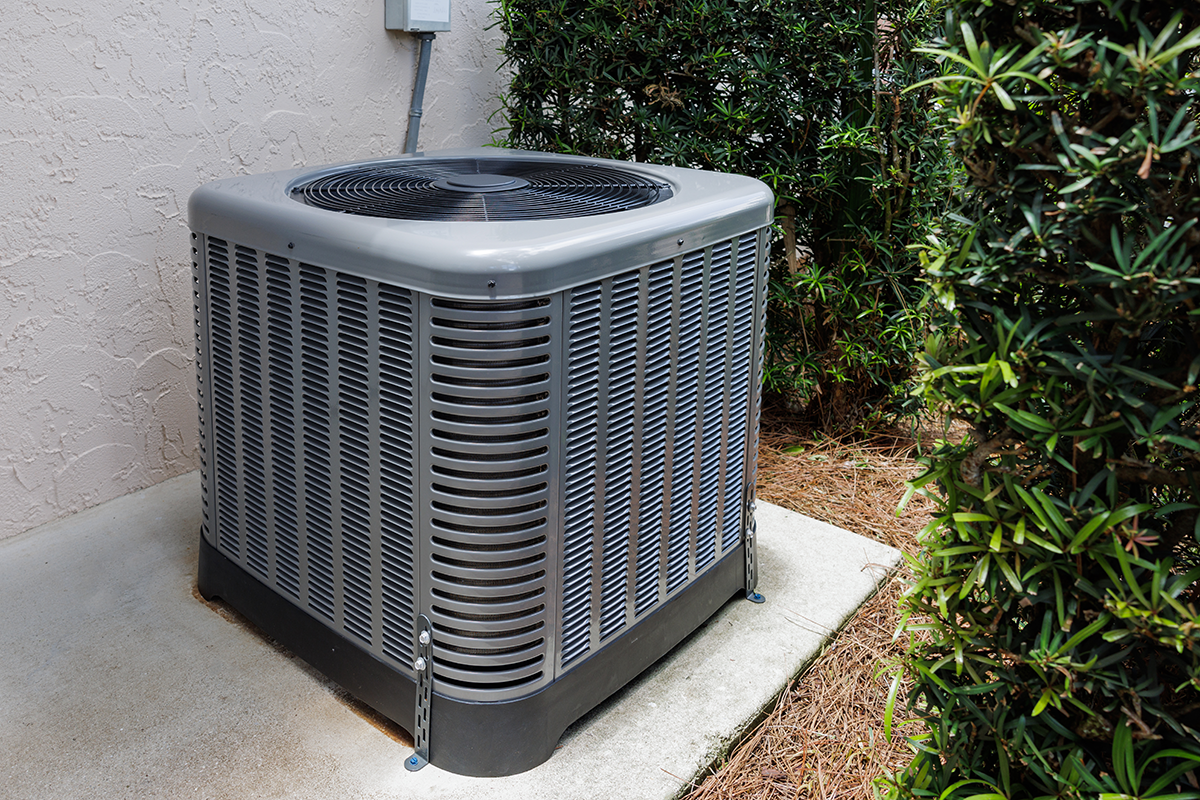
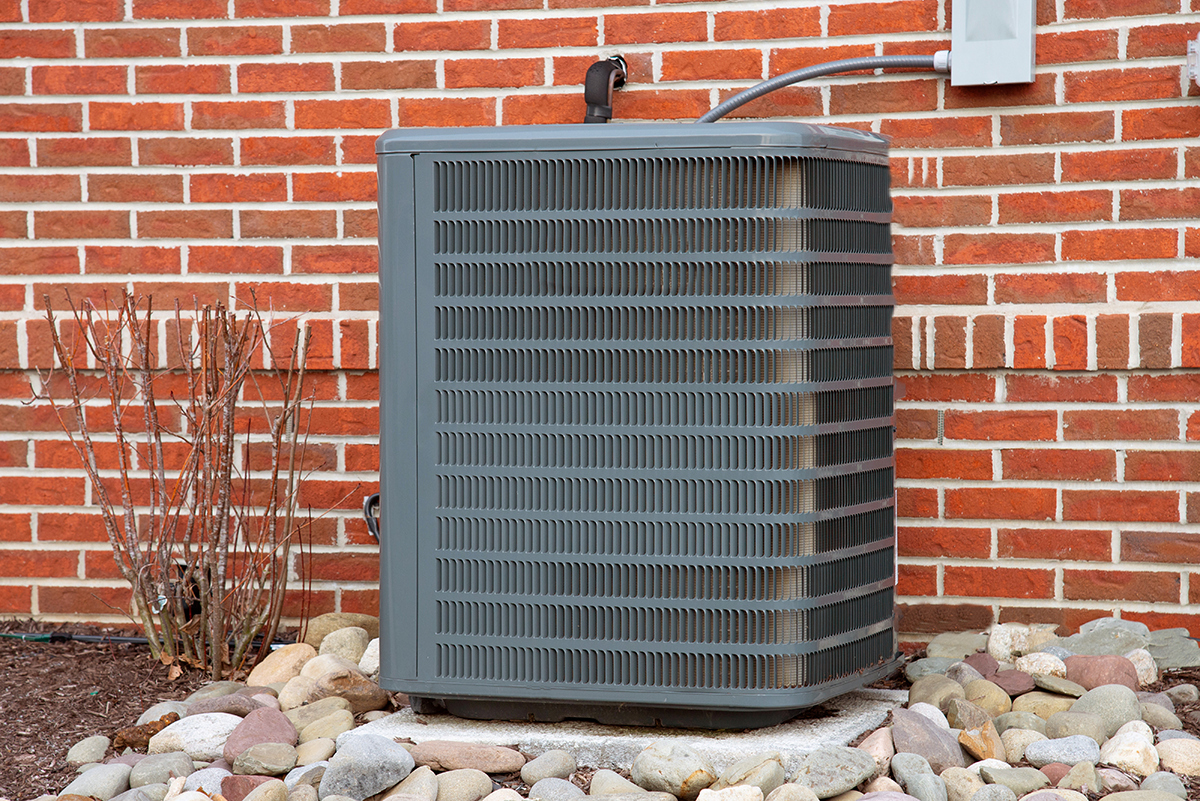
Keeping vegetation and debris away from your outdoor condenser unit also indirectly protects your evaporator coil. When the condenser can’t reject heat efficiently, the entire refrigeration cycle suffers. As a result, this places extra stress on both coils. Maintaining at least two feet of clearance around your outdoor unit helps the complete system operate as designed. Also, keep it free from cottonwood seeds, dust, and plant matter.
Trust Trio Quality Services for Expert Evaporator Coil Service
Your air conditioner’s evaporator coil works behind the scenes to keep your Cottonwood home comfortable. But when problems develop, you need experienced professionals who understand the complexities of modern HVAC systems. We combine technical expertise with genuine care for our customers. This delivers solutions that restore comfort and provide lasting value.
Our technicians stay current with the latest diagnostic techniques and repair methods. This ensures accurate problem identification and efficient repairs. Whether your evaporator coil needs cleaning, leak repair, or complete replacement, we approach each job with the same commitment to quality. Customer satisfaction defines our Native American-owned business.
Don’t let evaporator coil problems compromise your home comfort or drive up energy costs. Schedule a diagnostic evaluation or routine maintenance service today. We’ll assess your system’s condition and explain our findings in straightforward terms. Then, we’ll recommend solutions that fit your needs and budget. Experience the difference that expert craftsmanship and personalized service make. Reach out to us and let us restore your AC system to peak performance.
Frequently Asked Questions
How much does it cost to replace an air conditioner evaporator coil?
Evaporator coil replacement costs vary widely. This depends on your system type, refrigerant requirements, and accessibility. Older systems using R-22 refrigerant generally cost more due to refrigerant expenses. A certified technician can provide an accurate estimate after inspecting your specific system and diagnosing the problem.
Can I clean my evaporator coil myself?
We don’t recommend homeowners attempt evaporator coil cleaning. Accessing the coil requires opening sealed cabinets and working around electrical components and refrigerant lines. The coil’s delicate fins bend easily, reducing efficiency if damaged. Our professionals have specialized tools and cleaning solutions that safely remove debris. At the same time, they don’t harm your system’s components.
How long does an air conditioner evaporator coil last?
A properly maintained evaporator coil typically lasts 10-15 years. However, lifespan varies based on usage patterns, maintenance frequency, and environmental factors. Regular professional cleaning and filter changes extend coil life. Meanwhile, neglected systems often fail early. Units in harsh environments or those experiencing refrigerant leaks may require earlier replacement.
What causes an evaporator coil to freeze?
Evaporator coils freeze due to several causes. These include restricted airflow from dirty filters or blocked vents, low refrigerant levels from leaks, malfunctioning blower motors, or closed supply registers limiting air circulation. Operating your AC when outdoor temperatures drop below 60°F also causes freezing. A frozen coil requires professional diagnosis to identify and correct the underlying cause.