If you’ve been researching ways to keep your home comfortable year-round, you may have come across the term “forced air”. But what is forced air, exactly, and how does it work to heat or cool your home? At Trio Cooling, Heating & Plumbing in Cottonwood, AZ, we help homeowners understand their options when it comes to HVAC systems. Forced air remains one of the most common and efficient systems in Arizona homes, and knowing how it works helps you make smart decisions about maintenance, upgrades, and energy use.
What Is Forced Air in Home Heating and Cooling?
In simple terms, a forced air system uses a blower or fan to push conditioned air—heated or cooled—through a network of ducts into the rooms of your home. The “forced” part comes from mechanically moving air instead of relying on natural convection.
It isn’t a single piece of equipment; it’s a delivery method that works with different heating and cooling sources, including:
-
Gas or electric furnaces for heating
-
Central air conditioners for cooling
-
Heat pumps for both heating and cooling
In many Cottonwood homes, one combined system uses the same ductwork for both winter heating and summer cooling.
How Does a Forced Air System Work?
To fully understand what is forced air, it helps to look at the process step-by-step:
-
Thermostat Sends a Signal – When your indoor temperature drifts from your setting, the thermostat activates the system.
-
Heating or Cooling Source Turns On – The furnace, AC, or heat pump begins conditioning the air.
-
Blower Motor Pushes Air – A fan drives the heated or cooled air into the duct system.
-
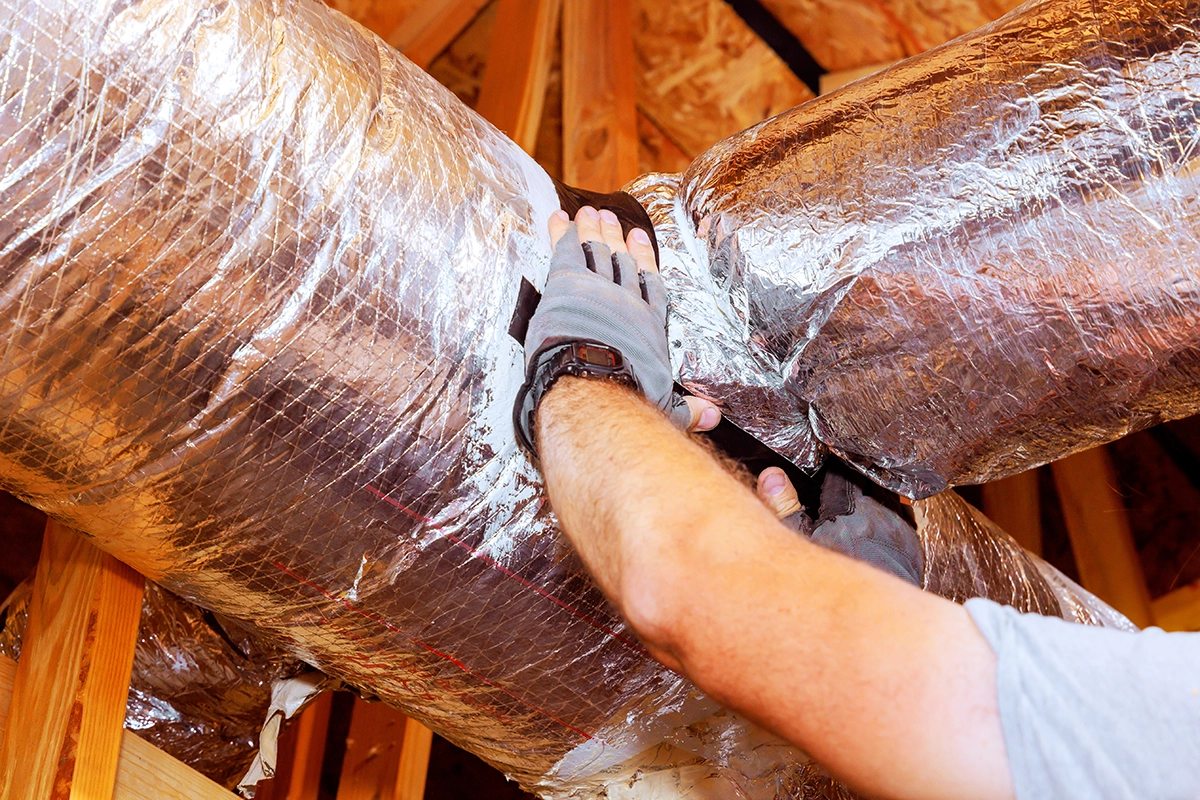
Air Travels Through Ductwork – The ducts carry the air to vents throughout your home.
-
Return Air Circulates Back – A return vent pulls air back into the system for reheating or recooling.
This continuous loop keeps your home’s temperature stable and comfortable.
Advantages
Many Cottonwood homeowners choose forced air systems because they deliver comfort, efficiency, and flexibility.
-
Even Temperature Control – Ducts and vents deliver conditioned air to every room.
-
Quick Response – The blower moves air quickly, so you feel changes within minutes.
-
Year-Round Comfort – One duct system handles both heating and cooling.
-
Better Indoor Air Quality – Filters remove dust, pollen, and other particles as air moves through the system.
With professional care, these systems can run efficiently for many years while keeping energy costs manageable.
Common Types of Forced Air Systems
When discussing what is forced air, it’s important to remember that the heat or cooling source can differ:
-
Furnace-Based Systems – Furnaces burn natural gas, propane, or oil, or use electricity to heat air before distributing it.
-
Heat Pump Systems – Heat pumps move heat between indoor and outdoor spaces, providing both heating and cooling.
-
Hybrid Systems – These combine a furnace and heat pump, switching to the most efficient option for the temperature.
In Arizona, many homeowners prefer heat pumps for their cooling efficiency and mild winter heating capabilities.
Maintenance Tips for Forced Air Systems
If you own an air system, regular maintenance keeps it running at peak performance. Trio Cooling, Heating & Plumbing recommends:
-
Change Filters Regularly – Replace them every 1–3 months based on usage and filter type.
-
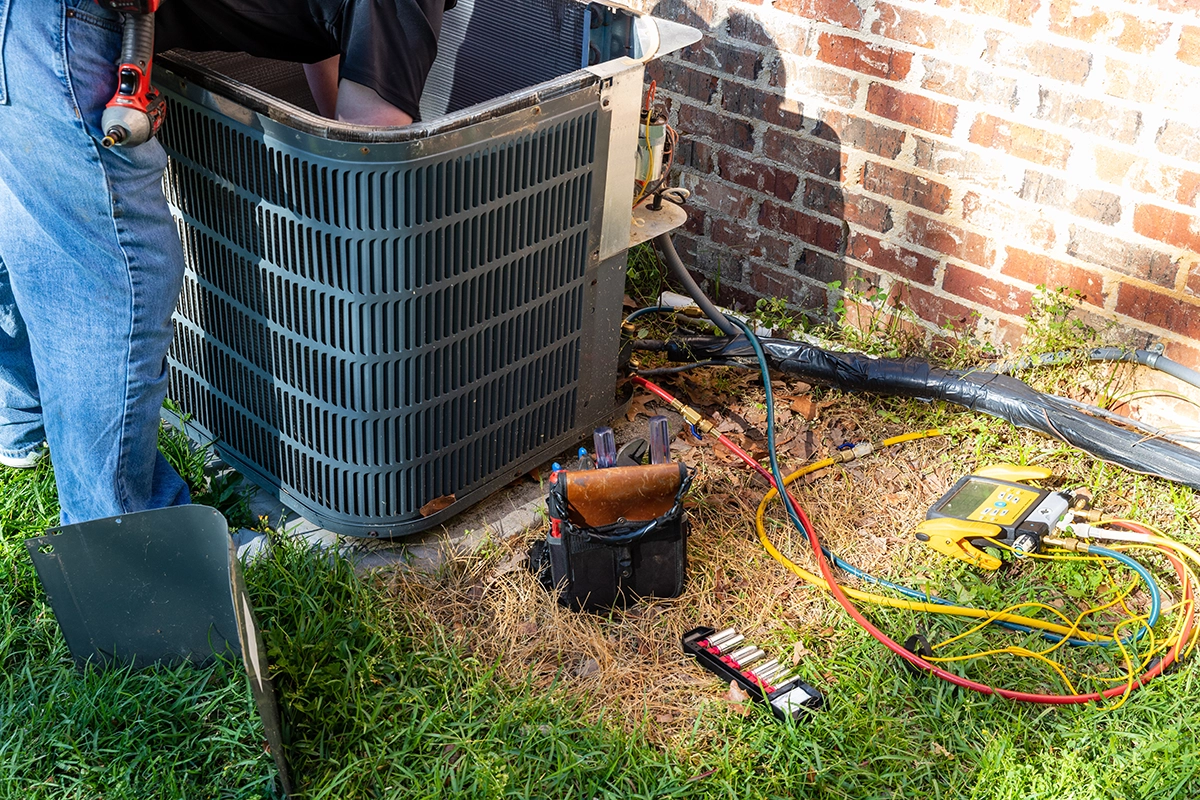
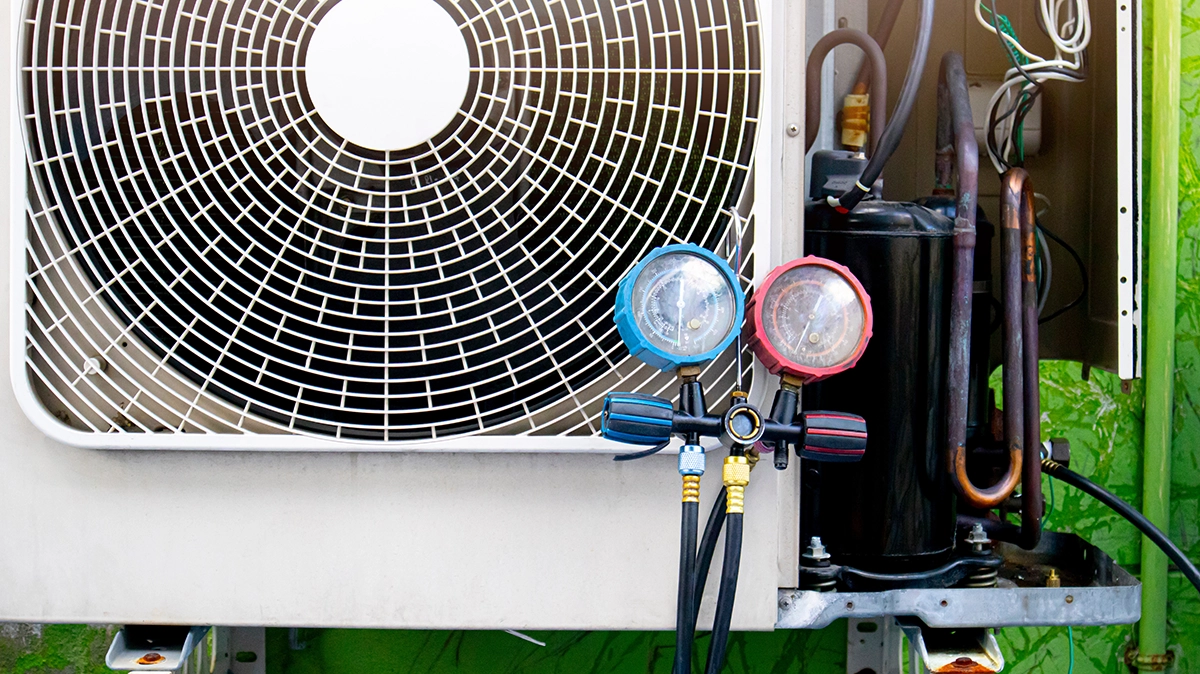
Schedule Seasonal Tune-Ups – Have your cooling system checked before summer and your heating system checked before winter.
-
Keep Vents Clear – Avoid blocking them with furniture or rugs.
-
Inspect Ductwork – Seal leaks and remove blockages to maintain efficiency.
Consistent maintenance helps you avoid breakdowns and extends your system’s lifespan.
Is Forced Air Right for Your Cottonwood Home?
Your home’s size, insulation, budget, and comfort preferences all affect the choice of HVAC system. Many Cottonwood homeowners benefit from forced air because it handles both heating and cooling with one setup. However, installation quality and duct condition play a major role in performance.
If you’re building or replacing a system, our team can evaluate your home and recommend the most efficient and reliable option.
Indoor Air Quality Benefits
A well-maintained forced air system improves indoor air quality. As all air passes through filters, it traps allergens, dust, and even some bacteria. Adding accessories such as air purifiers, humidifiers, or dehumidifiers directly into the ductwork can enhance comfort and air quality—especially helpful in Arizona’s dry climate.
Energy Efficiency Considerations
Modern air systems offer better efficiency than older models, but installation and upkeep still matter. Sealed ducts, clean coils, and a properly programmed thermostat all help reduce energy costs. Smart thermostats can adjust operation based on your schedule, further improving efficiency.
Final Thoughts
If you’ve been asking what is forced air and wondering if it’s right for your home, you now know it’s a reliable, versatile, and efficient choice for year-round comfort. At Trio Cooling, Heating & Plumbing, we install, repair, and maintain forced air systems across Cottonwood, AZ.
Call us today to schedule your service or request a free estimate for a new installation.