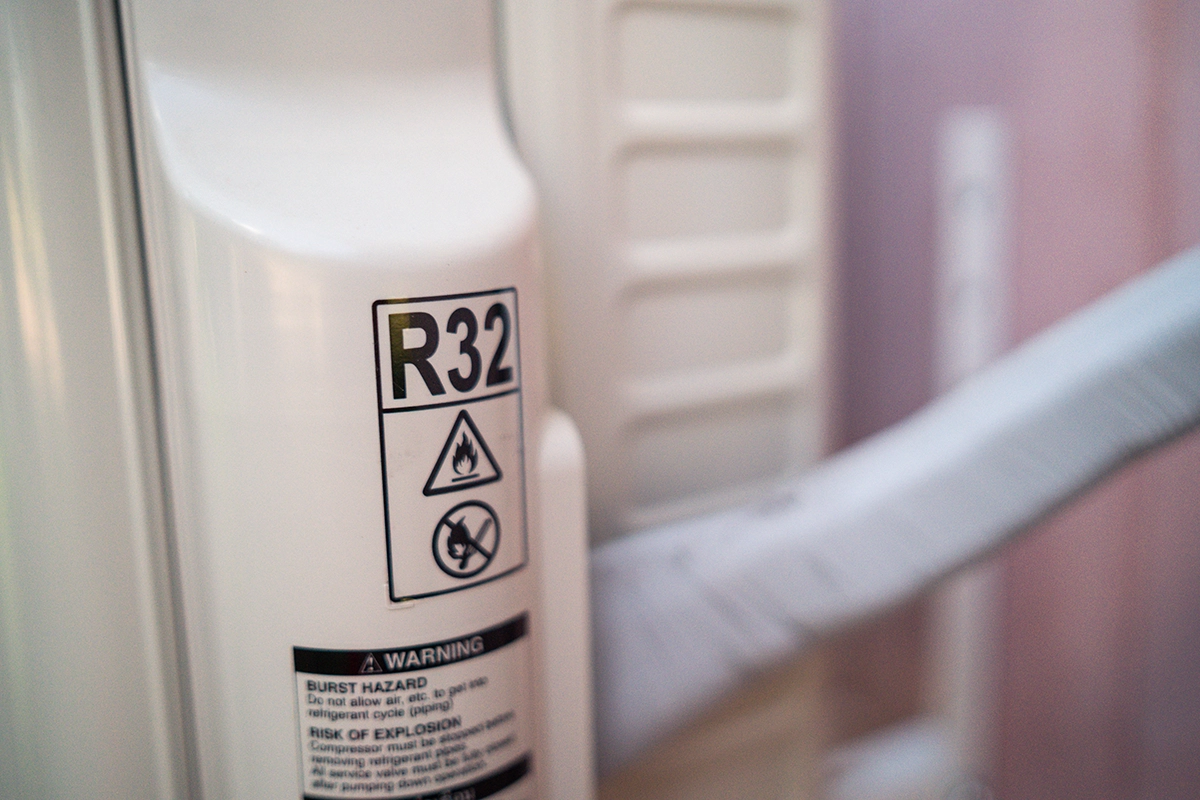
If you’re in the market for a new air conditioning system or curious about the latest cooling technology, you’ve probably heard about R32 refrigerant. This newer refrigerant has been making waves in the HVAC industry as a more environmentally friendly and efficient alternative to older refrigerants. At Trio Cooling Heating Plumbing, we want to help you understand what this refrigerant is. Plus, we’ll explain why it matters for your home comfort and what it means for the future of air conditioning in Cottonwood, AZ, and the surrounding areas.
What Is R32 Refrigerant?
R32 refrigerant, also known as difluoromethane, is a hydrofluorocarbon (HFC) refrigerant. It has been gaining popularity in residential and commercial air conditioning systems. Unlike older refrigerants such as R22 (which has been phased out) and even R410A (the current standard in many systems), R32 offers several advantages. These benefits make it an attractive choice for modern cooling equipment.
The HVAC industry developed this refrigerant as part of its ongoing effort to reduce environmental impact. At the same time, it maintains excellent cooling performance. Because of its unique chemical properties, R32 has become a preferred option for manufacturers. They use it to create more sustainable and efficient air conditioning systems. In fact, many leading HVAC manufacturers have already started producing systems that use this refrigerant exclusively.
The chemical composition of R32 makes it a single-component refrigerant. This means it doesn’t break down into different components over time. That’s a significant advantage because it maintains consistent performance throughout the life of your system. Additionally, it makes servicing simpler for our technicians.
Environmental Benefits of R32
One of the most compelling reasons for the shift to R32 refrigerant is its reduced environmental impact. According to the U.S. Environmental Protection Agency, this refrigerant has a Global Warming Potential (GWP) of 675. This is significantly lower than R410A’s GWP of 2088. The lower the GWP number, the less impact a substance has on global warming if released into the atmosphere.
This dramatic reduction in environmental impact aligns with international agreements like the Kigali Amendment to the Montreal Protocol. This agreement aims to phase down the production and use of high-GWP refrigerants. By choosing an air conditioning system that uses R32, you’re making an environmentally responsible choice. Furthermore, you contribute to global efforts to combat climate change.
Additionally, R32 has zero ozone depletion potential. This means it doesn’t harm the Earth’s protective ozone layer. While many modern refrigerants share this characteristic, combining zero ozone depletion with low global warming potential makes R32 particularly attractive. This is especially true for environmentally conscious homeowners in the Verde Valley.
Energy Efficiency Advantages
Beyond environmental benefits, R32 refrigerant also offers improved energy efficiency compared to older alternatives. Systems using this refrigerant typically require less refrigerant charge. In fact, they need about 20% less than comparable R410A systems. That means there’s less refrigerant needed to achieve the same cooling capacity. Consequently, this translates to potential energy savings for your home.
The thermodynamic properties of R32 allow it to transfer heat more effectively. This means your air conditioning system doesn’t have to work as hard to keep your home comfortable during those scorching Cottonwood summers. This improved efficiency can lead to lower energy bills over time. This is especially beneficial during peak cooling months when your system runs most frequently.
We’ve seen firsthand how newer systems using this advanced refrigerant maintain consistent cooling performance while drawing less power. For homeowners concerned about both their carbon footprint and their monthly utility costs, these efficiency gains make a meaningful difference.
Safety Considerations with R32 Refrigerant
While R32 offers many benefits, it’s important to understand its safety profile. This refrigerant is classified as mildly flammable (A2L classification). This is different from the non-flammable classification of R410A. However, this doesn’t mean systems using R32 are unsafe—far from it.
Modern air conditioning systems designed for R32 incorporate multiple safety features. These features help mitigate any flammability concerns. Engineers design these systems with leak detection, automatic shutoff mechanisms, and proper ventilation to ensure safe operation. The amount of refrigerant used in residential systems is carefully calculated. It stays well below flammability thresholds under normal operating conditions.
It’s worth noting that HVAC manufacturers and industry organizations have established strict safety standards. These standards apply to equipment using this refrigerant. Our technicians receive specialized training to work with these newer systems safely and effectively. As a result, you can have complete confidence in your system’s installation and maintenance.
Why Professional Installation Is Essential
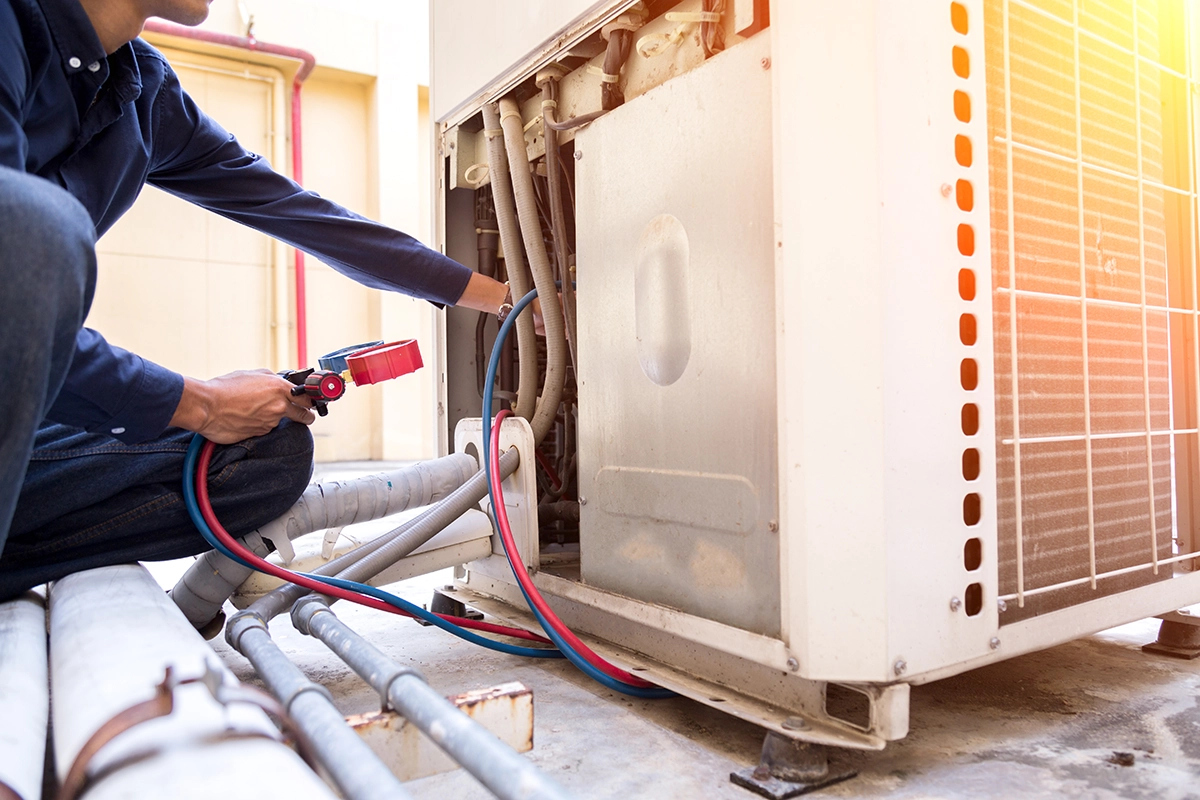
Because of the unique properties of R32, systems using this refrigerant require specialized installation by qualified professionals. Our certified technicians follow specific installation practices. These include appropriate refrigerant charging procedures, leak testing, and system commissioning.
Working on these systems requires proper training, specialized equipment, and knowledge of safety protocols. Attempting service without professional expertise can be dangerous. Moreover, it will void your manufacturer’s warranty.
That’s why we always recommend contacting licensed professionals when you’re considering a new air conditioning installation. We also recommend professional service for existing R32 systems. Our team understands the technical requirements and safety protocols necessary to ensure your system operates efficiently and safely for years to come.
Is R32 the Right Choice for Your Home?
If you’re considering replacing your air conditioning system, you might be wondering whether you should choose a unit that uses R32 refrigerant. The answer depends on several factors. These include your cooling needs, budget, and long-term plans for your home.
For many homeowners in the Cottonwood area, systems using this advanced refrigerant represent an excellent investment. The combination of environmental benefits, energy efficiency, and future-proof technology makes these systems particularly appealing. This is especially true for those planning to stay in their homes for years to come. As regulations continue to tighten around refrigerants with high global warming potential, choosing R32 now means you’re ahead of the curve.
However, it’s also important to consider that R32 systems may have a slightly higher upfront cost. This is compared to older R410A units still on the market. Yet those initial costs are often offset by improved energy efficiency. Additionally, you get the peace of mind that comes with owning more environmentally responsible equipment. As this technology becomes more widespread, prices are likely to become more competitive.
Understanding System Compatibility
One common question we hear from homeowners is whether their existing air conditioning system can be converted to use R32. The important thing to understand is that each refrigerant requires specific equipment. This equipment is designed to handle its unique pressure and temperature characteristics. Therefore, systems cannot be converted from one refrigerant type to another.
If your current system uses R410A or an older refrigerant, a certified technician will continue servicing it with that same refrigerant. This continues throughout its lifespan. When the time comes for a complete system replacement, that’s when you can transition to equipment using R32. We can help you evaluate your existing system’s condition. Plus, we’ll recommend the best timing for an upgrade that incorporates this newer refrigerant technology.
The Future of R32 in the HVAC Industry
Looking ahead, R32 is positioned to become increasingly common in residential and commercial cooling applications. Major HVAC manufacturers worldwide have embraced this refrigerant as a transitional solution. It balances performance, safety, and environmental responsibility. While even more advanced refrigerants may emerge in the future, R32 represents the current best option for most cooling applications.
Industry experts predict that R32 will remain a standard refrigerant for at least the next decade. This gives homeowners confidence that service and support will remain readily available. This widespread adoption also means that replacement parts and qualified technicians familiar with these systems will be easy to find. Consequently, your investment is protected.
At Trio Cooling Heating Plumbing, we’re committed to staying at the forefront of HVAC technology. Our team continuously updates our knowledge and skills. We work with the latest refrigerants and cooling systems. This ensures we can provide expert service regardless of which system you choose. When you’re ready to explore your options for a new air conditioning system or need professional guidance about refrigerant choices, we’re here to help. We’ll help you make the best decision for your home’s comfort and efficiency.
Contact our team today to discuss how modern air conditioning technology can benefit you. This includes systems using advanced refrigerants that can improve your home comfort while reducing your environmental impact. We’ll provide a thorough assessment of your cooling needs. Then, we’ll recommend the right solution for your specific situation.
Frequently Asked Questions
Is R32 refrigerant safe for residential air conditioning systems?
Yes, R32 is safe when used in properly designed systems. While classified as mildly flammable (A2L), modern air conditioners incorporate multiple safety features. These include leak detection and automatic shutoff mechanisms. The refrigerant charge in residential units stays well below flammability thresholds. Additionally, systems meet strict safety standards established by HVAC industry organizations.
Can I convert my existing air conditioner to use R32 refrigerant?
No, existing systems cannot be converted to R32. Each refrigerant requires equipment specifically engineered for its pressure and temperature characteristics. A certified technician will continue servicing your current system with its original refrigerant type. When you’re ready for a complete system replacement, that’s when you can transition to equipment designed for R32 refrigerant.
How much more efficient are R32 systems compared to older refrigerants?
R32 systems typically use about 20% less refrigerant charge than comparable R410A systems. They achieve the same cooling capacity with less refrigerant. The refrigerant’s superior heat transfer properties allow air conditioners to work less intensively. This helps maintain comfortable temperatures, resulting in reduced energy consumption. Plus, you may see potentially lower utility bills during cooling season.
Will R32 refrigerant be phased out like R22 was?
R32 is not currently scheduled for phase-out. It is considered a long-term solution in the HVAC industry. Its low Global Warming Potential of 675 (compared to R410A’s 2088) meets current and anticipated environmental regulations. Industry experts expect R32 to remain a standard residential refrigerant for at least the next decade.