Experiencing low water pressure in house plumbing can be frustrating, especially when it disrupts your daily routine. Whether you’re trying to shower, wash dishes, or do laundry, weak water flow can signal a bigger issue. At Trio Cooling, Heating & Plumbing in Cottonwood, AZ, we help homeowners identify the cause and restore proper pressure fast. Here’s what might be causing the problem—and what you can do about it.
Check for a Closed or Partially Closed Shut-Off Valve
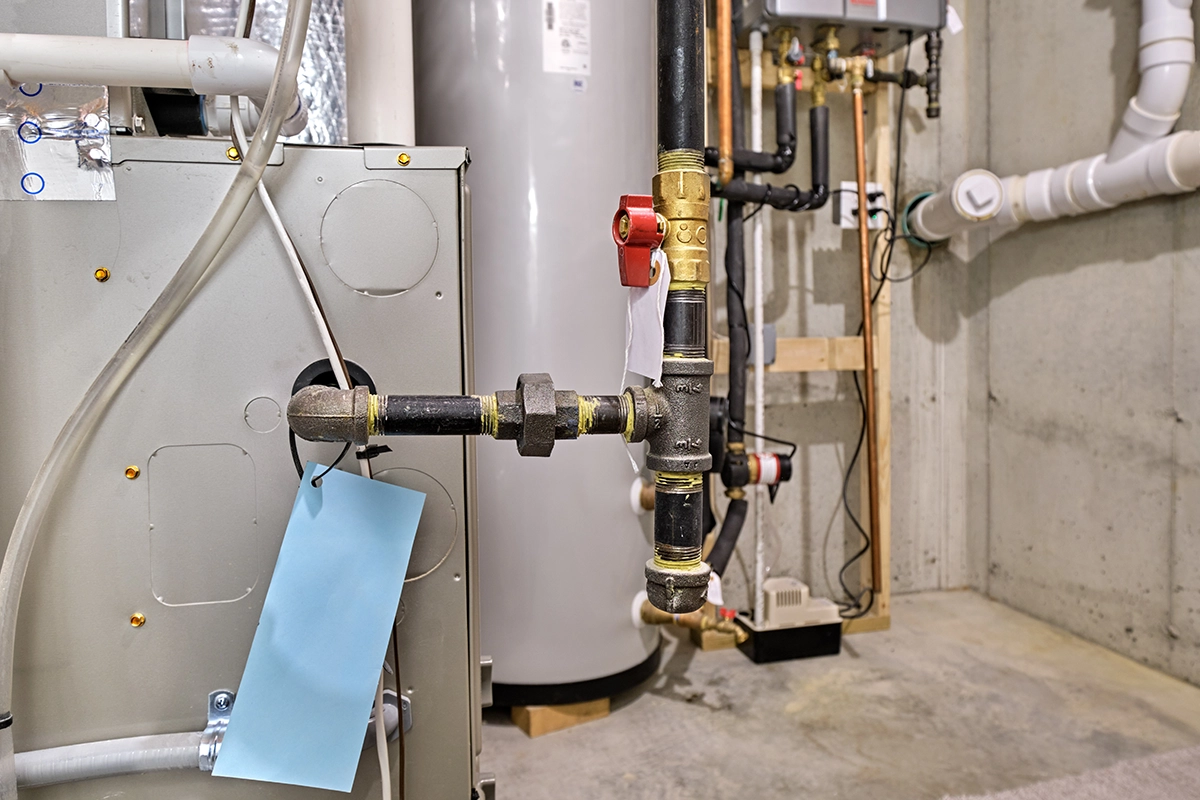
One of the most overlooked causes of low water pressure in house systems is a shut-off valve that isn’t fully open. If you’ve recently had plumbing work done, the main valve may not have been reopened all the way. Locate the main water shut-off (usually near the water meter or where the main line enters the house) and ensure it’s fully turned on. This simple check can save you time and money before moving on to more involved solutions.
Inspect the Pressure Regulator
A faulty pressure regulator can drastically reduce water pressure throughout your home. This small but essential device controls the flow of water from the municipal supply line. If it malfunctions, you may experience pressure that’s too low—or even dangerously high. A pressure reading below 40 psi is usually a sign something’s wrong. Testing and replacing a regulator is a job best left to professionals. At Trio Cooling, Heating & Plumbing, we offer full diagnostic services to determine if your pressure regulator needs replacement.
Look for Clogged Pipes or Fixtures
Over time, sediment, rust, and minerals can build up inside pipes—especially in homes with hard water. These deposits narrow the passage of water and reduce pressure. You might also notice buildup in faucet aerators or showerheads. Try removing and cleaning these components to see if that helps. If water pressure is still low across multiple fixtures, the clog may be deeper in the system. In severe cases, pipe replacement or hydro jetting may be necessary to restore proper flow.
Evaluate for Leaks in the Plumbing System
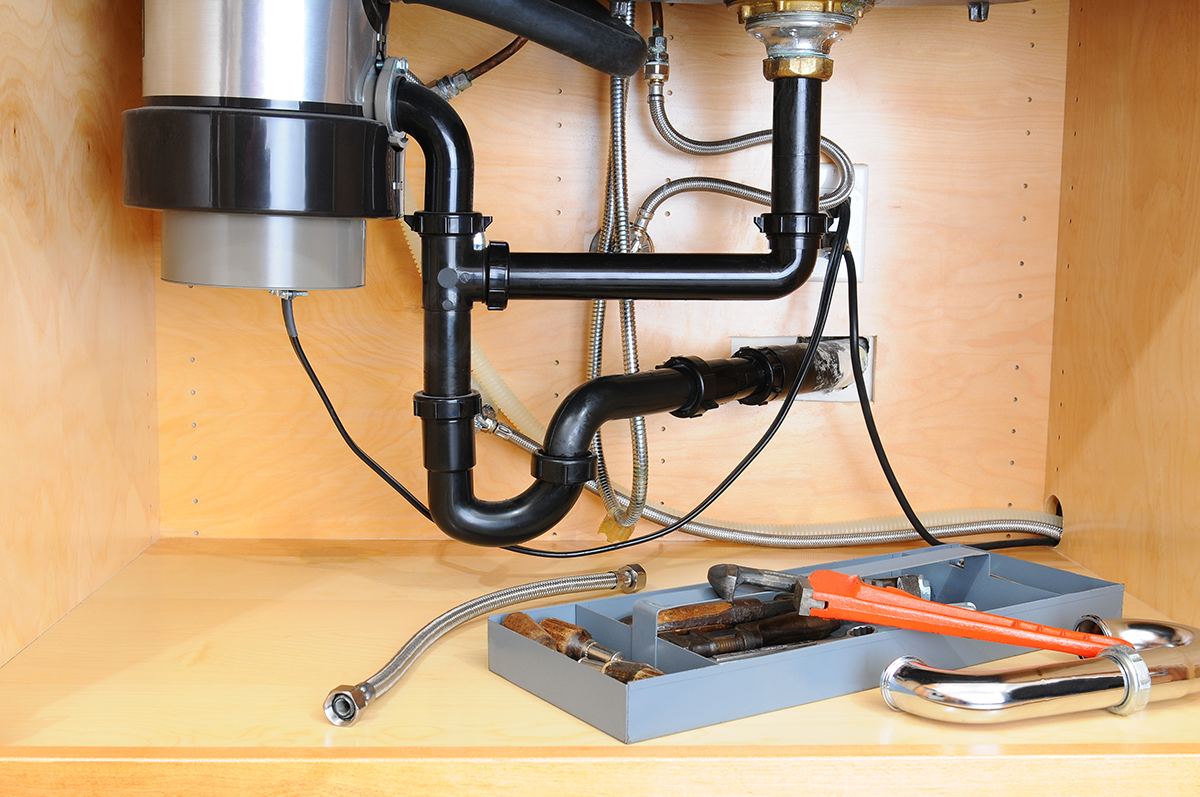
Leaks are a hidden but significant cause of low water pressure in house plumbing. Even a small leak in a pipe can allow water to escape before reaching your fixtures. Signs of hidden leaks include water stains, musty odors, warped flooring, or a sudden spike in your water bill. Leak detection often requires special tools and experience. If you suspect a leak but can’t find the source, call Trio Cooling, Heating & Plumbing for a thorough inspection.
Check If It’s a Municipal Water Supply Issue
Sometimes, the problem isn’t in your home at all. Municipal water providers may reduce pressure during repairs or periods of high demand. If your neighbors are also experiencing low pressure, that could confirm a system-wide issue. You can call your local utility company to ask about scheduled maintenance or pressure changes in your area. If everything checks out on their end, then the problem likely lies within your plumbing.
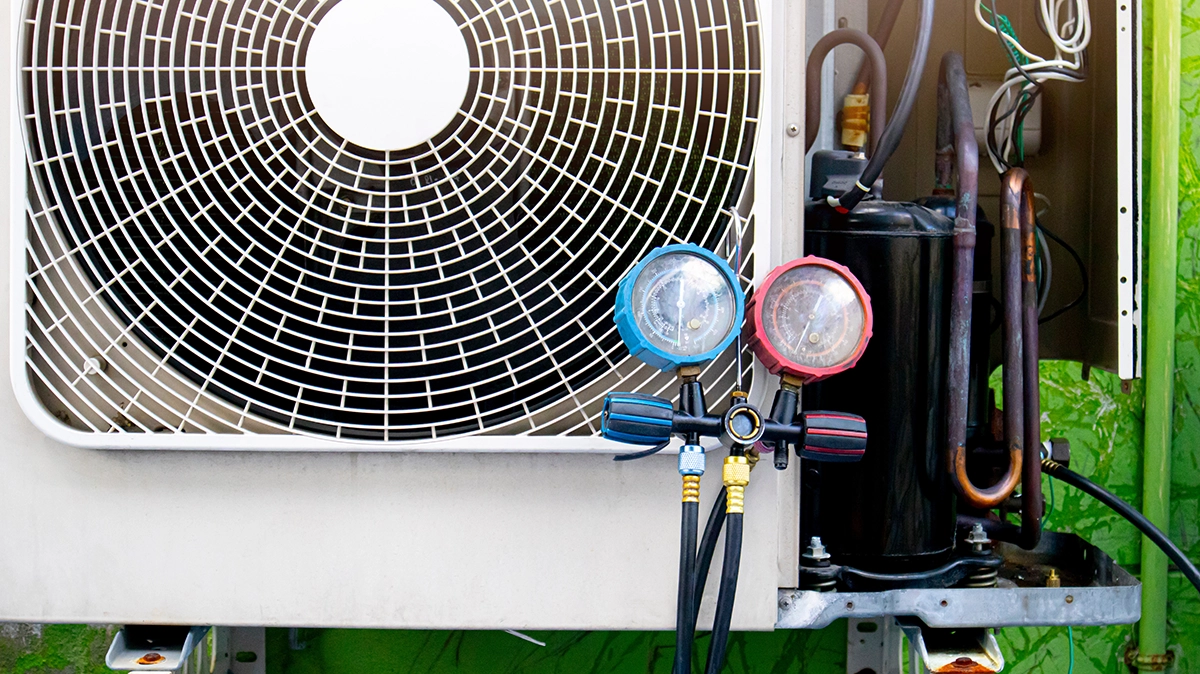
To test water pressure yourself, attach a water pressure gauge to an outdoor spigot. Turn the water on fully and read the gauge. According to the U.S. Environmental Protection Agency, typical residential pressure should be between 40 and 80 psi.
Isolated Low Pressure? It Might Be the Water Heater
If your cold water pressure is fine but your hot water pressure is weak, your water heater may be the issue. Sediment buildup inside the tank can block flow, especially if you haven’t flushed the tank regularly. The valve leading out of the heater may also be partially closed. In some cases, the dip tube or internal components may be damaged. If you’re unsure, a professional inspection can identify whether cleaning or replacement is necessary.
Replace Old or Corroded Plumbing
Aging pipes are a common source of low water pressure in house plumbing. Galvanized steel pipes, used in homes built before the 1970s, tend to corrode and accumulate buildup inside over time. As the interior narrows, water flow is restricted. Replacing these outdated pipes with modern materials like copper or PEX can dramatically improve pressure and prevent future leaks. If your home is older and still has original plumbing, repiping may be a smart long-term investment.
Install a Water Pressure Booster Pump
If your home is located at a high elevation or far from the municipal supply, natural water pressure may always be on the low side. In these cases, installing a water pressure booster pump can solve the issue. These systems work by drawing in water from the main line and increasing its pressure before it flows through your home. Booster pumps are especially useful for multi-story homes where upper-level fixtures often suffer from low pressure.
When to Call a Professional
While some low pressure issues can be resolved with DIY solutions, many require expert diagnosis. If you’ve ruled out the obvious causes and still experience low flow, it’s time to consult a professional. At Trio Cooling, Heating & Plumbing, we provide complete plumbing inspections, leak detection, pipe repairs, and pressure system upgrades to get your water flowing properly again.
Don’t Let Low Water Pressure Disrupt Your Day
Living with low water pressure in house plumbing doesn’t have to be your new normal. Whether it’s a clogged pipe, faulty regulator, or aging system, Trio Cooling, Heating & Plumbing has the tools and experience to fix the problem fast. Call us today for trusted plumbing solutions in Cottonwood, AZ and the surrounding areas.