If your air conditioner suddenly stops working, one of the most common culprits is a blown HVAC fuse. It’s a small component, but it plays a big role in protecting your system from damage. Understanding what an HVAC fuse does, what causes it to blow, and how to prevent it can save you time, money, and frustration—especially during the hot summers here in Cottonwood, AZ.
At Trio Cooling, Heating & Plumbing, we help homeowners stay cool and informed. In this blog, we’ll explain everything you need to know about HVAC fuses, including how they work and when it’s time to call a professional.
What Is an HVAC Fuse?
An HVAC fuse is a protective device that prevents electrical overloads from damaging your heating and cooling system. Most fuses are located in the disconnect box outside your home or within the air handler or furnace unit.
When electrical current exceeds the rated capacity of the system, the fuse breaks the circuit—essentially “sacrificing” itself to protect more expensive parts like compressors, control boards, or motors.
There are different types of HVAC fuses, including:
-
Cartridge fuses – commonly used in outdoor units
-
Blade-style fuses – found in indoor air handlers or control boards
-
Time-delay fuses – designed to tolerate short bursts of excess current
All of them serve the same purpose: protecting your HVAC equipment from serious electrical damage.
Why Does an HVAC Fuse Blow?
There are several reasons why an HVAC fuse might blow, and most are related to either electrical issues or mechanical failures within the system. Common causes include:
1. Dirty Air Filters or Coils
Restricted airflow can cause the system to overheat, leading to increased electrical draw. This added stress can trip a fuse over time.
2. Low Refrigerant Levels
Low refrigerant can cause the compressor to work harder, drawing more amps than it should—potentially blowing the fuse.
3. Short Circuits
If wires are exposed or damaged, they can create a short circuit. This causes a surge of electricity that blows the fuse instantly.
4. Failed Components
A failing capacitor, motor, or compressor can overdraw electricity and trigger a blown HVAC fuse as a result.
5. Incorrect Fuse Size
Installing a fuse with the wrong amperage rating can lead to premature failure—or worse, system damage if the fuse doesn’t blow when it should.
Signs Your HVAC Fuse Might Be Blown
A blown HVAC fuse often causes your air conditioner to stop running entirely. However, there are a few other signs you can watch for:
-
No response when the thermostat calls for cooling
-
Outdoor unit is silent (fan and compressor not running)
-
Indoor blower may still work, but no cool air is produced
-
A multimeter shows no voltage past the fuse
-
Burned or cloudy glass in a visible fuse
If your AC has shut down and none of the breakers are tripped, the fuse is a likely suspect.
HVAC Fuse Replacement: DIY or Call a Pro?
While replacing an HVAC fuse may sound simple, it can be dangerous if you’re not familiar with working around high-voltage equipment. Here’s why:
-
The disconnect box contains high-voltage electricity that can cause injury
-
If the fuse blew due to a deeper issue (like a short circuit), replacing it without fixing the root cause will just blow the new fuse
-
Using the wrong size fuse can damage your equipment or void the warranty
That’s why we recommend letting a licensed HVAC technician diagnose and replace the fuse safely. At Trio Cooling, Heating & Plumbing, we’ll check the entire system and make sure you’re not facing a larger problem.
How to Prevent an HVAC Fuse From Blowing
The best way to avoid a blown HVAC fuse is with regular system maintenance and electrical safety. Here are a few preventive tips:
-
Change air filters regularly to keep airflow unrestricted
-
Schedule seasonal tune-ups to inspect electrical components
-
Watch for signs of refrigerant leaks or compressor strain
-
Avoid DIY wiring repairs unless you’re trained and certified
-
Upgrade aging equipment before it starts causing electrical problems
Routine maintenance isn’t just about comfort—it’s also your best defense against unexpected fuse failures and AC breakdowns.
Cottonwood HVAC Systems and Electrical Heat
In Cottonwood, AZ, HVAC systems often work overtime during the summer. High usage and dusty conditions can increase the risk of both airflow issues and electrical strain. That’s why fuses are even more important here—they protect your investment from costly damage during extreme conditions.
Our team at Trio is familiar with the climate and equipment challenges specific to Northern Arizona homes. Whether your system uses cartridge fuses or control board blades, we can handle inspection, replacement, and upgrades safely and efficiently.
When to Call Trio Cooling, Heating & Plumbing
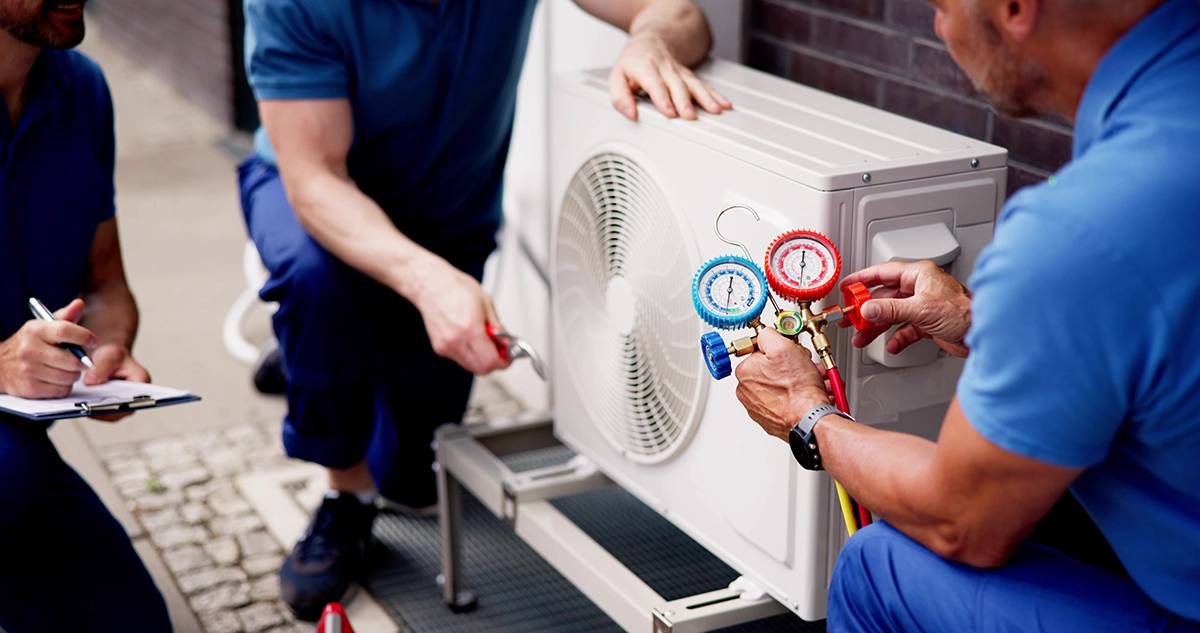
If your air conditioner stops working and you suspect a blown HVAC fuse, don’t wait. Electrical problems can quickly lead to system failure or safety hazards. Our licensed technicians can inspect your system, identify the cause of the issue, and replace any damaged components with the correct fuse rating.
We’re proud to be a trusted HVAC provider in Cottonwood and surrounding areas, offering fast, honest, and affordable service when you need it most.
Final Thoughts on HVAC Fuses
While small in size, an HVAC fuse plays a critical role in keeping your cooling system running safely. When it blows, it’s doing its job—but that also means something else might be wrong. Whether it’s dirty filters, low refrigerant, or a short circuit, it’s important to address the root cause before restarting your system.
At Trio Cooling, Heating & Plumbing, we’re here to help you stay cool, safe, and stress-free all summer long. If your system won’t start and you suspect a blown HVAC fuse, give us a call today. We’ll get your system back online quickly—and make sure it stays that way.