Your HVAC ductwork is the hidden highway that delivers heated and cooled air throughout your home. While it’s largely out of sight, damaged or poorly designed ductwork can dramatically impact your comfort, energy bills, and indoor air quality. Understanding what ductwork does, how to spot problems, and when to call a professional can save you money and restore consistent comfort to every room.
At Trio Cooling Heating Plumbing, our experienced technicians specialize in diagnosing and repairing ductwork issues throughout Cottonwood and surrounding areas. Whether you’re dealing with uneven temperatures, high energy costs, or poor air quality, we’re here to help restore your system’s performance.
What Is HVAC Ductwork and Why Does It Matter?
HVAC ductwork is a network of metal, fiberglass, or flexible tubes that transport conditioned air from your heating and cooling equipment to every room in your home, then return air back to the system for reconditioning. Properly designed and sealed ductwork ensures efficient airflow, consistent temperatures, and optimal system performance.
When ductwork develops leaks, becomes disconnected, or suffers from poor design, your HVAC system works harder to maintain comfortable temperatures. This increases energy consumption, shortens equipment lifespan, and leaves some rooms too hot or too cold. According to ENERGY STAR, in a typical house, about 20 to 30 percent of the air moving through the duct system is lost because of leaks, holes, and poorly connected ducts.
Beyond efficiency, your ductwork directly affects indoor air quality. Leaks can draw in dust, allergens, and contaminants from attics, crawl spaces, or wall cavities, distributing them throughout your living spaces. Adding an air scrubber can help reduce airborne contaminants that move through your HVAC system.
Common Signs Your HVAC Ductwork Needs Professional Attention
Recognizing ductwork problems early helps you address issues before they cause significant energy waste or comfort problems. Here are the warning signs that indicate your ductwork may need professional evaluation:
Uneven Temperatures Between Rooms
If some rooms are consistently warmer or cooler than others despite thermostat settings, you likely have ductwork issues. Leaks, disconnections, or improperly sized ducts can prevent adequate airflow to certain areas. This problem often worsens over time as gaps expand and connections loosen.
Pay attention to rooms at the end of duct runs or on upper floors, as these areas are most vulnerable to airflow restrictions. A certified HVAC technician can use specialized equipment to measure airflow and identify where your ductwork system is failing.
Unusually High Energy Bills
When your ductwork leaks conditioned air into unconditioned spaces like attics or crawl spaces, your heating and cooling system runs longer to maintain set temperatures. This shows up as unexpectedly high utility bills, especially during peak heating and cooling seasons.
If your energy costs have increased significantly without corresponding changes in usage patterns or rate increases, ductwork leaks are a likely culprit. Professional duct sealing can reduce energy waste by 20% or more in many homes.
Excessive Dust Throughout Your Home
Leaky return ducts pull dusty air from attics, crawl spaces, and wall cavities into your living spaces. If you notice excessive dust accumulation on furniture, constant need for cleaning, or visible dust around supply vents, your ductwork integrity may be compromised.
This problem not only creates housekeeping challenges but can aggravate allergies and respiratory conditions. Professional duct sealing stops contaminants from entering your air supply and improves overall indoor air quality.
Visible Ductwork Damage
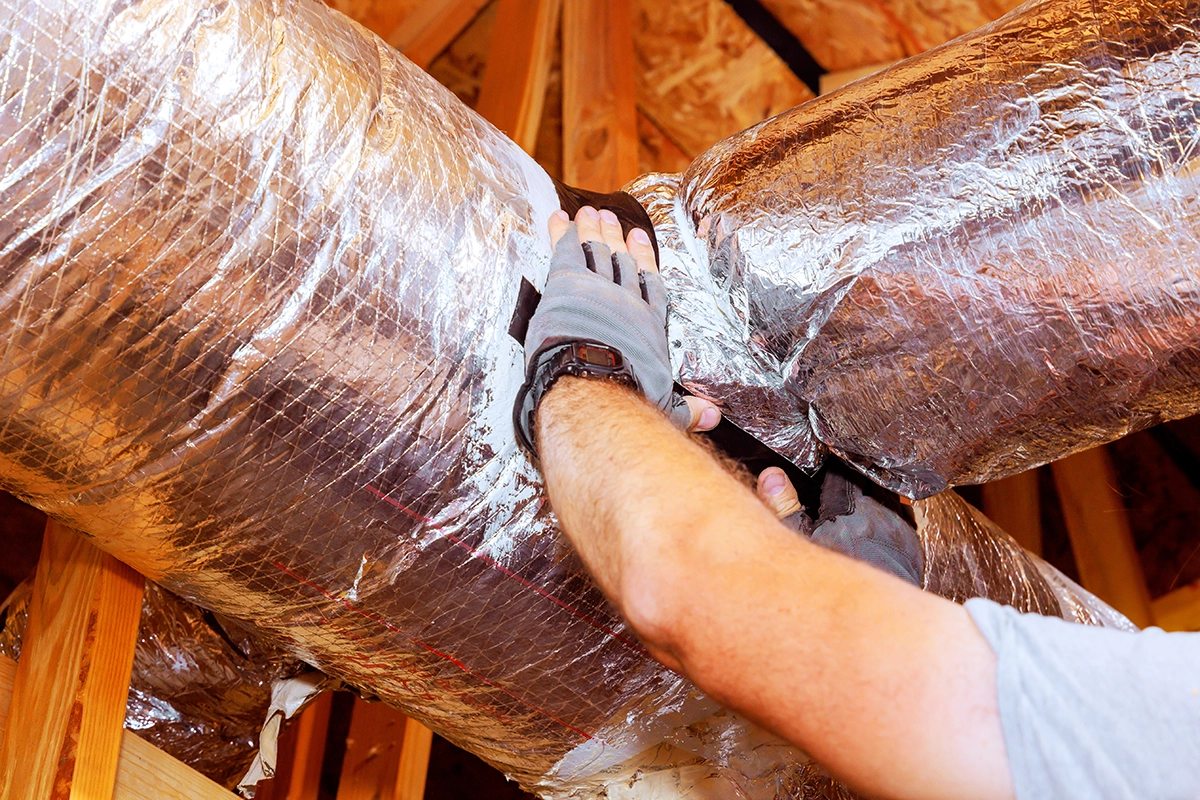
In areas where ductwork is visible—typically basements, attics, or crawl spaces—you may notice physical signs of deterioration. Look for disconnected sections, crushed or kinked flexible ducts, rust spots on metal ductwork, hanging insulation, or visible gaps at joints.
Pests can also damage ductwork, chewing through insulation or nesting in duct sections. If you see evidence of rodent or insect activity near your ductwork, professional inspection and repair are essential.
Unusual Noises From Your HVAC System
Rattling, whistling, or banging sounds when your system runs can indicate loose ductwork connections, undersized ducts creating excessive air pressure, or improperly secured sections. These noises often accompany airflow problems and efficiency losses.
A professional technician can identify whether sounds originate from ductwork issues or blower motor problems and recommend appropriate solutions.
What Causes HVAC Ductwork to Fail?
Understanding why ductwork develops problems helps homeowners recognize risk factors and take preventive action:
Age and Material Deterioration
Ductwork typically lasts 10-15 years before seals begin failing and materials degrade. Older flexible ductwork can develop cracks, while metal ducts may rust or corrode, especially in humid environments. Mastic sealant and tape used at joints dry out and lose adhesion over time.
Poor Initial Installation
Improperly sized, poorly supported, or inadequately sealed ductwork creates problems from day one. Undersized ducts restrict airflow, while oversized ducts reduce air velocity and efficiency. Insufficient support causes sagging that creates low spots where condensation accumulates.
Inadequate Insulation
Ductwork running through unconditioned spaces needs proper insulation to prevent energy loss and condensation. Uninsulated or under-insulated ducts waste energy and can develop moisture problems that lead to mold growth and material deterioration.
Pest Damage and Nesting
Rodents, insects, and birds can damage ductwork insulation, chew through flexible ducts, or build nests that block airflow. These problems compromise both efficiency and air quality while potentially introducing health hazards into your home’s air supply.
Physical Damage From Other Work
Construction projects, storage activities in attics or crawl spaces, or other home improvements can accidentally damage ductwork. Compressed flexible ducts, disconnected sections, or punctured metal ducts may go unnoticed until comfort problems develop.
How Professional HVAC Ductwork Inspection Works
When you call Trio Cooling Heating Plumbing for ductwork evaluation, our certified technicians follow a comprehensive inspection process:
We begin with a visual inspection of accessible ductwork in attics, basements, and crawl spaces, looking for obvious damage, disconnections, or deterioration. Our technicians check all visible joints, connections, and supports for integrity.
Using specialized equipment, we measure airflow at each supply vent throughout your home to identify rooms receiving inadequate conditioned air. This pinpoints problem areas even when ductwork isn’t directly visible.
We may perform a duct leakage test, which pressurizes the duct system to measure exactly how much air escapes through leaks. This quantifies the problem and helps prioritize repairs for maximum impact.
Our technicians also evaluate duct design and sizing to ensure your system can deliver appropriate airflow to all areas. Sometimes comfort problems come from fundamental design issues rather than visible damage, but they can also be early signs that your system needs HVAC repair.
What Professional HVAC Ductwork Repair Involves
Professional ductwork repair addresses specific problems identified during inspection. Here’s what certified technicians do to restore your system’s performance:
Sealing Duct Leaks
Professionals use mastic sealant or specialized metal-backed tape to seal gaps and joints throughout your ductwork system. Unlike standard duct tape, these materials maintain their seal over time and through temperature fluctuations. Technicians ensure every connection point is properly sealed to prevent air loss.
Reconnecting and Securing Ducts
Disconnected or poorly supported ductwork is repositioned, reconnected, and properly secured with appropriate hangers and supports. This prevents future sagging and maintains proper airflow through the entire system.
Replacing Damaged Sections
Severely damaged, crushed, or deteriorated duct sections are removed and replaced with new materials. Professionals ensure replacement sections match existing ductwork specifications and are properly sized for optimal airflow.
Adding or Upgrading Insulation
Technicians add insulation to uninsulated ducts or upgrade insufficient insulation to recommended R-values. Proper insulation prevents energy loss and condensation while improving system efficiency.
Modifying Ductwork Design
When inspection reveals fundamental design problems—undersized ducts, excessive length, or too many turns—professionals may recommend ductwork modifications. This can involve adding return air ducts, resizing supply ducts, or reconfiguring layouts for improved performance.
Our team at Trio combines expert craftsmanship with personalized care to deliver ductwork solutions that exceed expectations and restore comfort throughout your home.
Preventing Future HVAC Ductwork Problems
While professional maintenance is essential, homeowners can take steps to protect their ductwork investment:
Schedule regular HVAC maintenance that includes ductwork inspection. Early detection of minor issues prevents them from becoming major problems. Keep attics, crawl spaces, and areas around ductwork clear of stored items that could damage ducts or restrict access for future service.
Replace air filters regularly to maintain proper airflow and prevent dust buildup that can escape through small duct leaks. Consider upgrading to higher-quality filters that capture more particles before they enter your ductwork.
Address pest problems promptly before rodents or insects damage ductwork or insulation. Professional pest control combined with sealing entry points protects your entire home, including HVAC components.
When undertaking home improvement projects, be mindful of ductwork locations and protect ducts from accidental damage. If contractors will be working near ductwork, ensure they understand its location and importance.
Why Choose Trio Cooling Heating Plumbing for HVAC Ductwork Services
Trio Cooling Heating Plumbing brings expert ductwork knowledge and quality craftsmanship to every project throughout Cottonwood, AZ and surrounding communities. Our Native American-owned company is built on values of strength, integrity, and exceptional service.
Our certified technicians have the training and experience to accurately diagnose ductwork problems and implement effective solutions. We use professional-grade materials and proven techniques to ensure repairs last and improve your home’s comfort and efficiency.
We provide transparent pricing, clear explanations of recommended repairs, and respectful service that builds lasting trust with every client. When you call Trio, you’re choosing a team that treats your home with care and stands behind every job we complete.
Don’t let damaged ductwork continue driving up your energy bills and compromising your comfort. Contact Trio Cooling, Heating & Plumbing today for professional ductwork inspection and repair that restores your HVAC system’s performance and efficiency.
Frequently Asked Questions About HVAC Ductwork
How long does HVAC ductwork typically last before needing repair or replacement?
Most HVAC ductwork lasts 10-15 years before seals begin failing and materials start deteriorating. However, properly installed and maintained ductwork can last 20-25 years. The lifespan depends on installation quality, materials used, environmental conditions, and regular maintenance.
Can leaky ductwork cause my air conditioner to freeze up?
Yes, leaky ductwork can contribute to AC freezing by restricting airflow across the evaporator coil. When return ducts leak, reduced airflow causes the coil to get too cold, forming ice. This problem often occurs alongside other issues like dirty filters or low refrigerant.
Is it normal to have some dust around my air vents?
A small amount of dust is normal, but excessive dust around vents indicates problems. Heavy dust buildup suggests leaky return ducts pulling dusty air from attics or crawl spaces, or inadequate filtration. Professional duct inspection can identify the source.
How much can I save by having my ductwork professionally sealed?
Professional duct sealing typically reduces energy bills by 15-30% by eliminating air leaks. The exact savings depend on how leaky your ducts were initially, but most homeowners see significant reductions in heating and cooling costs while enjoying improved comfort.