When a leak hits, panic sets in fast—but knowing how to shut off water to house can instantly stop the damage and save you thousands in repairs. At Trio Cooling, Heating & Plumbing, we help Cottonwood homeowners handle plumbing emergencies every day, and one thing is always true: the faster you shut off the water, the safer your home will be.
Most people don’t think about shut-off valves until something goes wrong. But once you know where they are and how they work, you’ll be able to act confidently the next time a pipe bursts, a fixture fails, or a leak appears out of nowhere.
Why Knowing How to Shut Off Water to House Matters
Water spreads fast. A cracked pipe, loose fitting, or broken supply line can release gallons of water in minutes. Floors, walls, cabinets, wiring, and insulation can all be damaged before you even realize what’s happening. That’s why understanding how to shut off water to house isn’t optional—it’s essential.
Most Cottonwood homes have two main shut-off locations:
-
One inside the home
-
One outside at the property’s main water supply
Depending on the situation, you may use either one, but the main shut-off valve is always the quickest way to stop water completely.
Finding the Main Indoor Shut-Off Valve
Your indoor shut-off valve is usually located where the main water line enters your home. Builders place them in predictable spots, but every house is a little different. Common locations include:
-
Near the water heater
-
In a utility or laundry room
-
Along a garage wall
-
Inside a crawl space
-
On a front-facing wall of the home
If you see a lever-style ball valve, turn it 90 degrees until the handle is perpendicular to the pipe.
If you see a round gate valve, turn it clockwise until it stops.
If the valve is corroded or refuses to turn, don’t force it—old valves can snap. In that case, move on to the outdoor shut-off or call Trio for immediate help.
How to Shut Off Water to House Using the Outdoor Valve
If the indoor valve doesn’t work—or you can’t find it—the outdoor main shut-off will always stop the water. In Cottonwood, this valve is typically located inside a ground-level utility box near the street or sidewalk.
You may see:
-
A ball valve (turn ¼ clockwise to shut off)
-
A gate valve (requires a wrench or valve key to close)
Be careful not to touch meter components belonging to the city. If you’re unsure which valve is yours, Trio Cooling, Heating & Plumbing can guide you by phone or send a technician immediately.
Shutting Off Water to Individual Fixtures
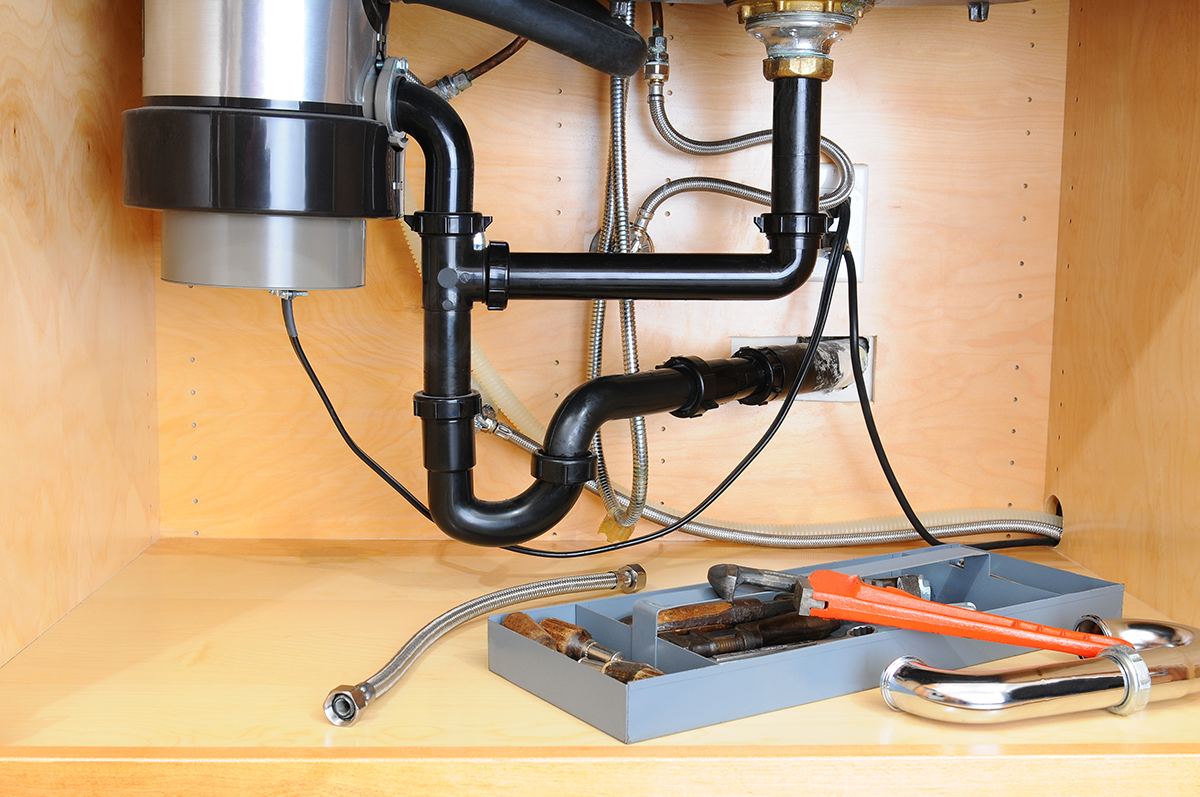
Sometimes the problem is small—like a leaking toilet or faucet—and you don’t need to shut down the whole house. Most fixtures have local shut-off valves nearby, including:
-
Under bathroom or kitchen sinks
-
Behind toilets
-
On washing machine supply lines
-
Beside the water heater
Turn these clockwise to isolate the problem while keeping the rest of your home operational.
What to Do After You Shut Off the Water
Once the water is off, draining pressure from the system helps prevent additional leaking. Turn on a faucet at the highest point of your home, then one at the lowest point, to release leftover water in the lines.
Next, check for signs of damage:
-
Standing water on floors
-
Damp or bubbling drywall
-
Wet cabinets or baseboards
-
Water near electrical outlets
-
Hissing or warm spots if a hot-water line burst
If water has reached outlets, breaker panels, or electrical wiring, do not touch anything. Call a professional right away.
How Trio Cooling, Heating & Plumbing Helps Cottonwood Homeowners
When you call Trio for a leak, we move fast. Our technicians diagnose the exact cause, repair the damage, and ensure your system is safe going forward. We typically:
-
Locate and repair broken pipes, valves, or fittings
-
Inspect water pressure and plumbing components for hidden issues
-
Replace worn shut-off valves and supply lines
-
Test the full system to ensure no additional leaks remain
Once the immediate danger is under control, we guide you on prevention so the problem doesn’t repeat itself.
Preventing Future Plumbing Emergencies
Not all leaks can be predicted, but many can be avoided with proactive care. Regular plumbing inspections catch problems early, especially in older Copper Valley homes where pipes and valves may be aging. Replacing brittle supply lines, keeping water pressure in a safe range, and updating old shut-off valves all reduce the chances of unexpected water damage.
When to Call Trio Cooling, Heating & Plumbing
If you’re unsure how to shut off water to house, if the valves are stuck, or if you’ve already turned off the water but don’t know what failed, Trio Cooling, Heating & Plumbing is here to help. We provide fast, reliable service throughout Cottonwood and surrounding areas.
Whether you’re dealing with an active leak, outdated plumbing, or simply want to prepare before an emergency hits, give us a call to protect your home and give you peace of mind.