Maintaining the right indoor humidity level can make your home feel more comfortable, improve air quality, and even protect furniture and woodwork from cracking. If you’re wondering how to increase humidity in house settings—especially in the dry climate of Cottonwood, AZ—Trio Cooling, Heating & Plumbing is here to help. Our team has worked with many homeowners to solve low humidity problems and create healthier indoor environments. Many households face dry air during the winter months or when their HVAC system runs frequently. Understanding the causes of low humidity and the solutions available can make a big difference in your home’s comfort and health.
Why Indoor Humidity Matters
Humidity is more than just moisture in the air—it affects how your body perceives temperature, how your skin feels, and how well your home maintains its structure. When indoor humidity drops too low, you might notice dry skin, irritated sinuses, static electricity, and even respiratory discomfort. Low humidity can also cause hardwood floors to separate, furniture to crack, and paint to peel. In areas like Cottonwood, where the climate can be arid, knowing how to increase humidity in house environments is especially important.
How to Increase Humidity in House Using a Humidifier
One of the most effective and direct ways to increase humidity is by using a humidifier. There are several types to consider:
-
Portable Room Humidifiers – Ideal for bedrooms or living spaces, these units add moisture directly into the air where you need it most.
-
Whole-Home Humidifiers – Installed directly into your HVAC system, they automatically control humidity levels throughout your home.
-
Ultrasonic and Evaporative Models – Each has unique benefits, from whisper-quiet operation to natural moisture distribution.
If you choose a portable unit, remember to clean it regularly to prevent mold or bacteria growth. For whole-home systems, a professional HVAC technician—like the team at Trio Cooling, Heating & Plumbing—can ensure it’s installed and adjusted for maximum comfort.
Natural Ways for How to Increase Humidity in House Without Equipment
If you prefer to start with low-cost, natural methods, there are several everyday habits that can help raise humidity:
-
Boil Water on the Stove – Cooking pasta, soup, or tea releases steam that boosts indoor moisture.
-
Place Bowls of Water Near Heat Sources – As the water evaporates, it adds humidity to the surrounding air.
-
Dry Clothes Indoors – Hanging damp laundry in the house naturally releases moisture as it dries.
-
Leave the Bathroom Door Open When Showering – The steam from a hot shower can spread to nearby rooms.
These techniques won’t replace a humidifier for large spaces, but they can be a simple start if you’re figuring out how to increase humidity in house settings without investing in new equipment.
How to Increase Humidity in House by Adjusting HVAC Settings
Your HVAC system plays a significant role in your home’s moisture levels. During winter, heating can quickly dry the air. To help:
-
Lower the Thermostat Slightly – Overheating your home causes air to dry faster.
-
Use the HVAC Fan – Running the fan can help distribute humidity more evenly if you’re using a humidifier.
-
Seal Leaks – Gaps around doors and windows allow dry outdoor air to enter, lowering indoor humidity.
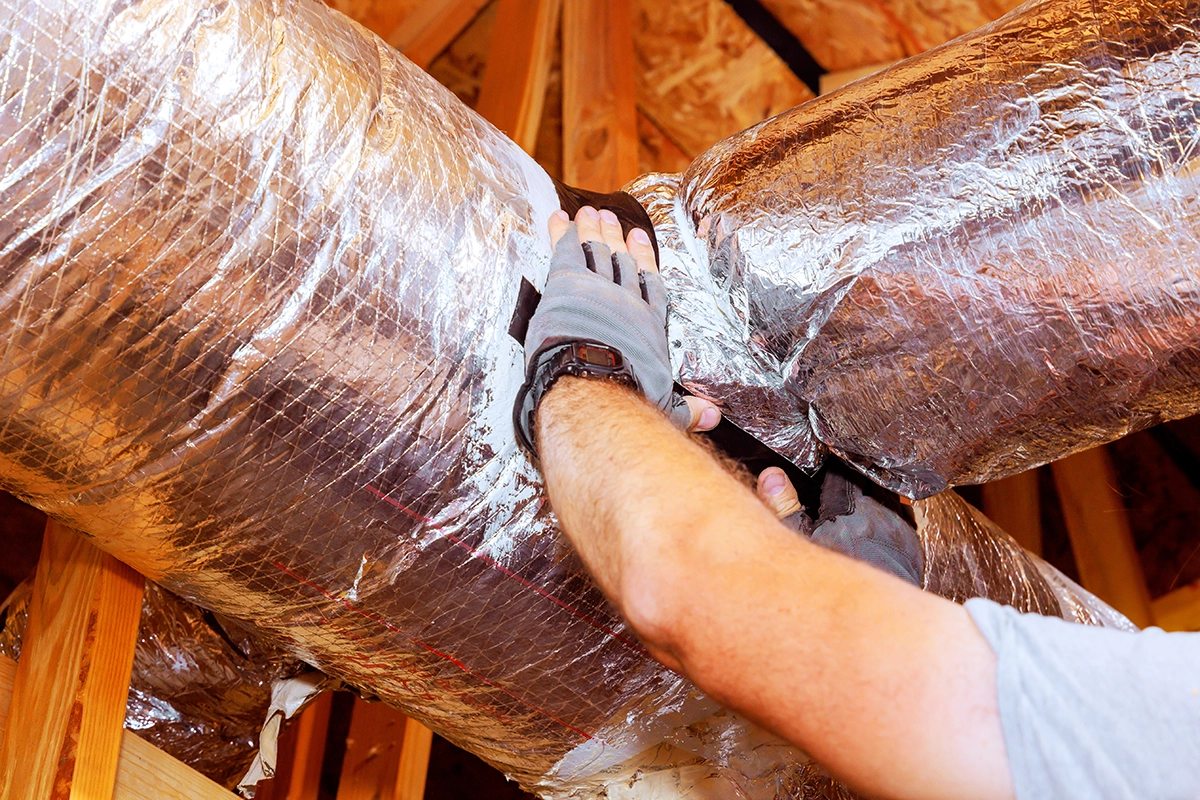
If you suspect your HVAC system is contributing to excessively dry air, a professional can check ductwork, airflow, and system balance to help maintain a healthier humidity level.
Indoor Plants as a Natural Solution for How to Increase Humidity in House
Houseplants can be more than just décor—they naturally release moisture through a process called transpiration. Placing several plants in one area can slightly raise humidity levels in that space. Popular moisture-releasing plants include:
-
Peace lilies
-
Areca palms
-
Spider plants
-
Boston ferns
Just remember to keep them watered appropriately; overly dry soil won’t help your humidity goals.
How to Increase Humidity in House and Keep It Balanced
To know if your efforts are working, use a hygrometer—a small, inexpensive device that measures humidity levels. The ideal indoor range is typically between 30% and 50%. Below 30% may feel too dry, while above 50% could encourage mold growth. Regularly checking your levels ensures you don’t over-humidify, which can cause its own problems.
When to Call a Professional
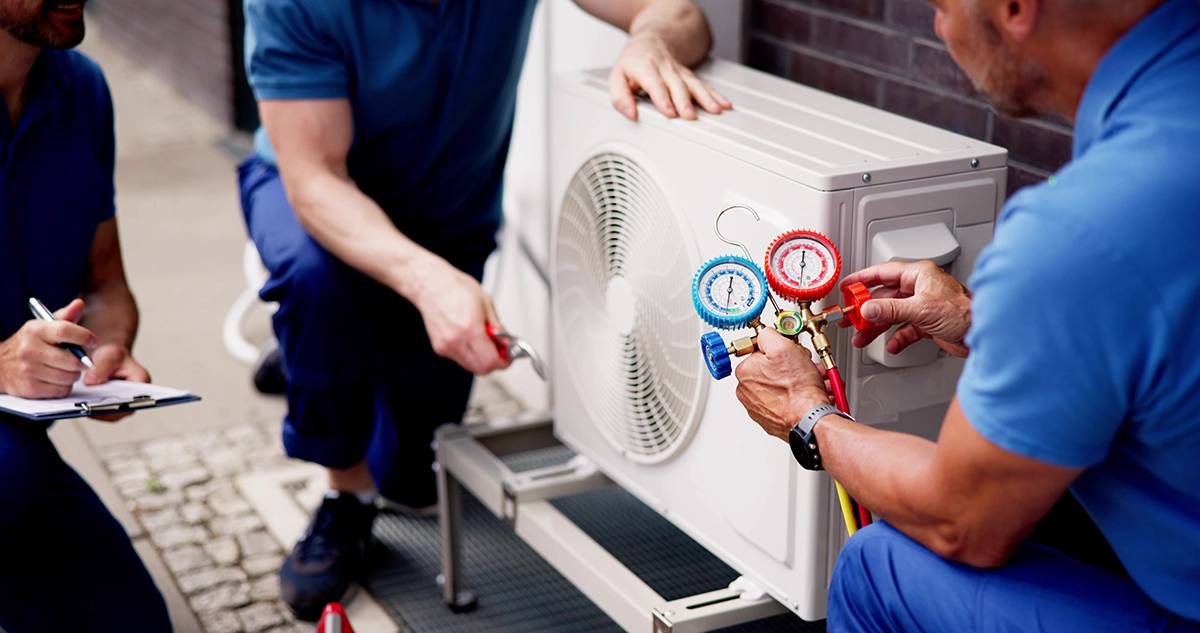
Sometimes, no matter how many small adjustments you make, the dryness persists. In these cases, your home might benefit from a professionally installed whole-home humidifier or HVAC adjustments. The experts at Trio Cooling, Heating & Plumbing can evaluate your system, recommend the right solution, and install equipment that works seamlessly with your heating and cooling system.
Final Thoughts
Learning how to increase humidity in house environments is a game-changer for comfort, health, and home preservation—especially in the dry Arizona climate. Whether you opt for a small portable humidifier, try natural moisture-boosting methods, or invest in a whole-home system, keeping your humidity in the ideal range will make your space feel better year-round.
If you’re in Cottonwood, AZ, and need help choosing the right solution, Trio Cooling, Heating & Plumbing is here to provide expert advice, professional installation, and reliable service. Call us today to schedule your in-home assessment and start breathing easier.