When it comes to HVAC maintenance, few tools are as important yet as overlooked as the HVAC vacuum pump. At Trio Cooling, Heating & Plumbing in Cottonwood, AZ, our technicians rely on this device to ensure your air conditioning and heat pump systems run clean, efficient, and long-lasting. Whether you’re installing a new system or servicing an existing one, the vacuum pump plays a critical role in keeping your indoor comfort consistent and your equipment protected.
What an HVAC Vacuum Pump Does
An HVAC vacuum pump removes air, moisture, and contaminants from a sealed system before refrigerant is added. When air or water vapor remains trapped inside the refrigerant lines, it can cause major issues such as reduced efficiency, corrosion, or compressor failure.
By creating a vacuum inside the system, the pump eliminates any unwanted particles or gases. This ensures the refrigerant flows smoothly and that the system performs at its best. Without this step, even a brand-new air conditioner can lose efficiency and develop leaks or performance problems within months.
Why Removing Moisture Is So Important
Moisture is the enemy of any refrigeration system. When water mixes with refrigerant, it can form hydrochloric acid, which eats away at metal components and electrical windings. Over time, that leads to reduced cooling power, higher repair costs, and even full system breakdowns.
A properly used HVAC vacuum pump prevents that damage by pulling out every trace of moisture before sealing and charging the system. In Arizona’s dry climate, this process is especially important — even small humidity levels can condense inside copper lines or compressors during installation.
How HVAC Technicians Use a Vacuum Pump
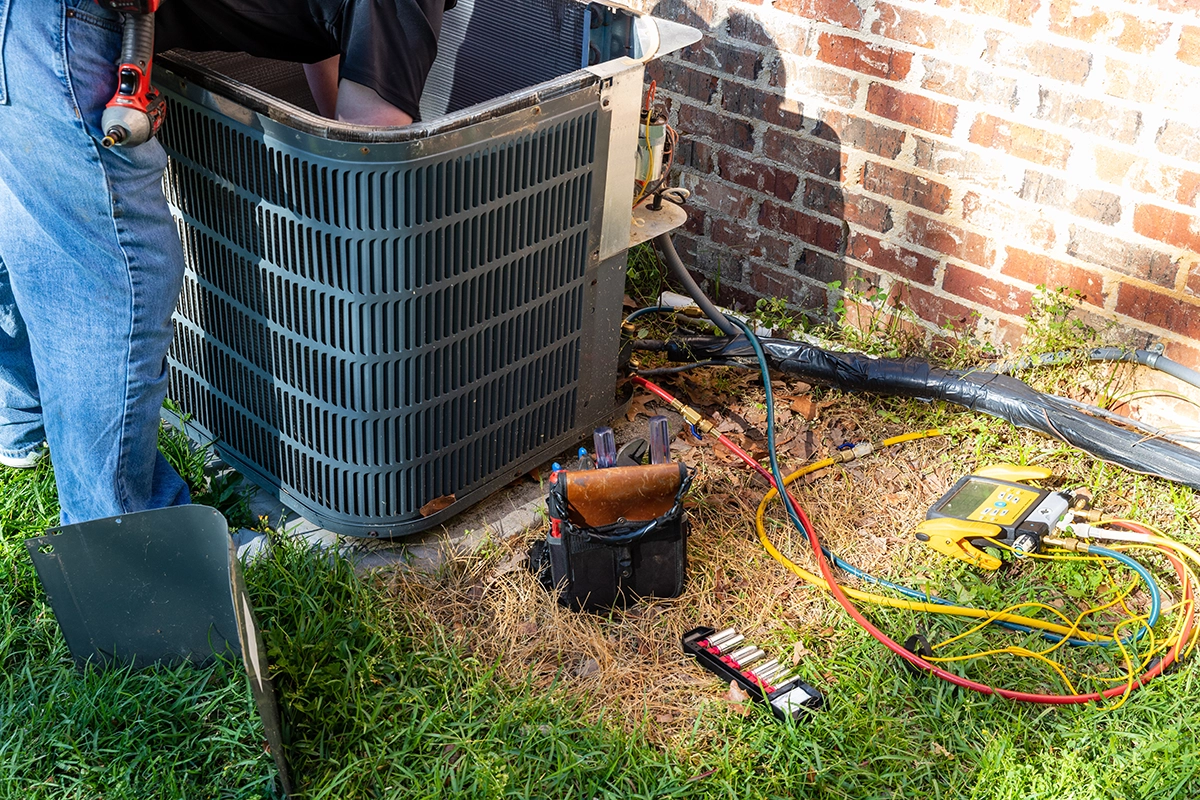
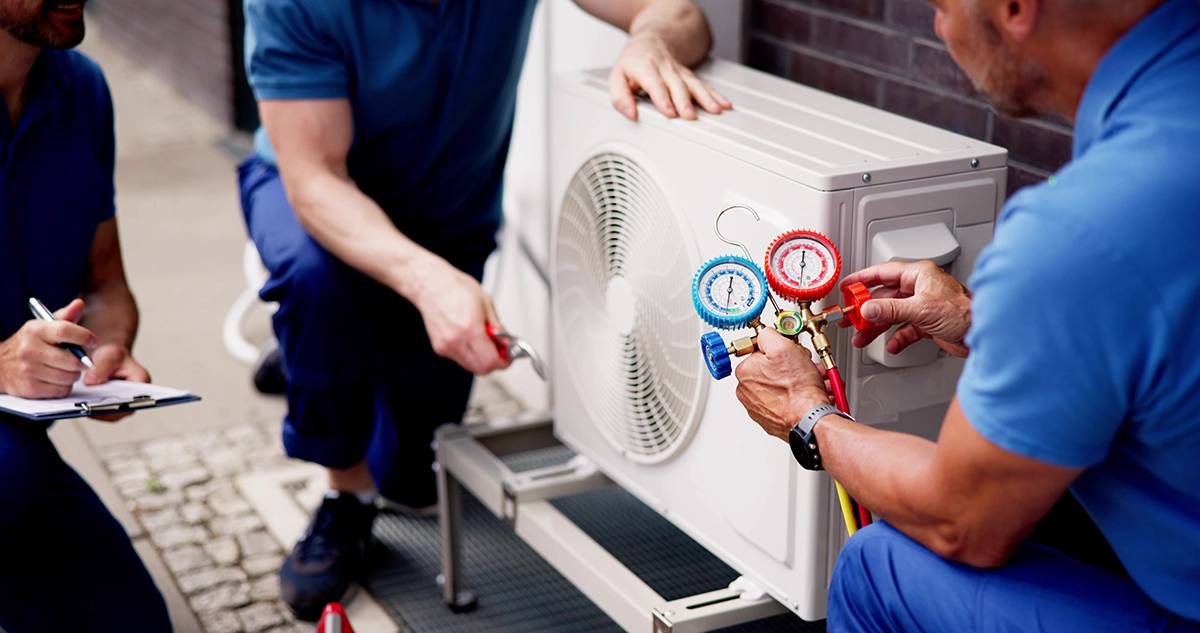
At Trio Cooling, Heating & Plumbing, our technicians follow a precise process when using a vacuum pump:
-
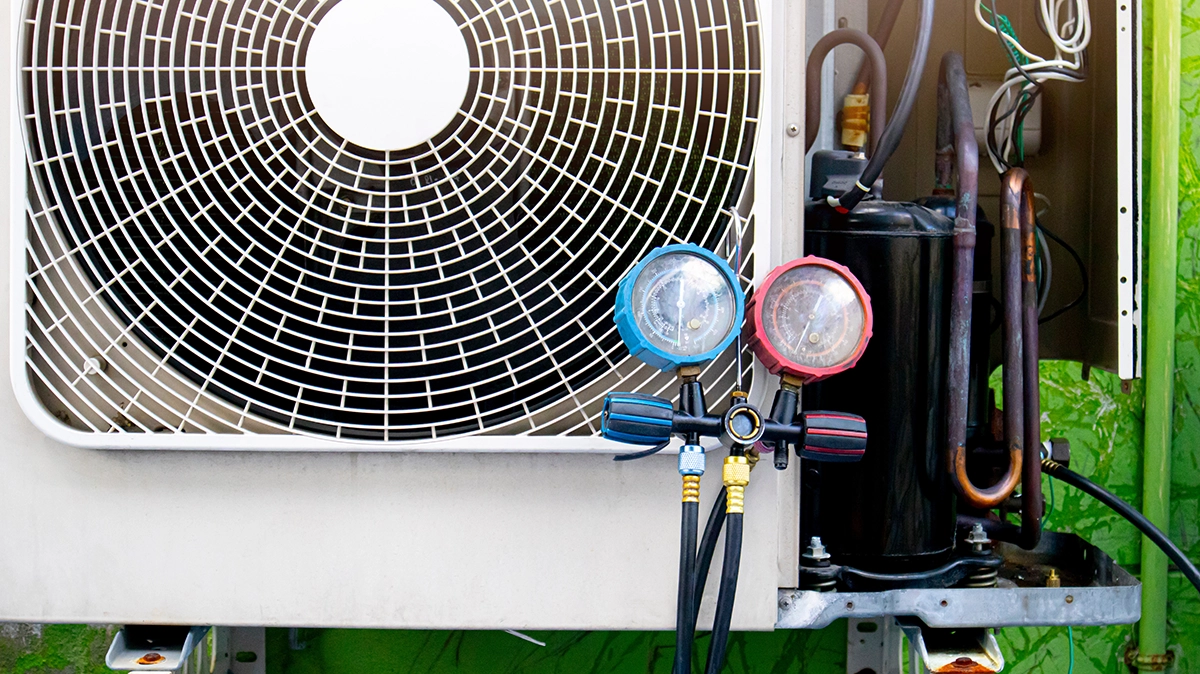
Connect the manifold gauges to the service ports on the HVAC system.
-
Attach the vacuum pump to the center hose on the manifold.
-
Run the pump until the system reaches the desired vacuum level — typically around 500 microns or lower.
-
Monitor the vacuum with a gauge to ensure no pressure rises, which would indicate a leak.
-
Seal the system and charge with refrigerant only after confirming a complete vacuum hold.
This detailed procedure prevents trapped moisture or air from compromising the refrigerant’s efficiency and ensures long-term performance after installation or repair.
The Role of a Vacuum Pump in System Efficiency
Every homeowner wants their HVAC system to use less energy and deliver more comfort. A clean, moisture-free system makes that possible. When the refrigerant cycle operates under perfect vacuum conditions, heat transfer improves, energy consumption decreases, and the compressor runs with less strain.
In other words, using an HVAC vacuum pump correctly can improve efficiency by several percentage points — enough to reduce your monthly cooling bills during Cottonwood’s hottest months. It’s one of those behind-the-scenes tools that directly impacts both your comfort and your wallet.
Common Problems if the System Isn’t Properly Vacuumed
Skipping the vacuum process or rushing through it can lead to several expensive problems:
-
Reduced cooling performance: Air pockets disrupt the refrigerant cycle, causing inconsistent temperatures.
-
Corrosion and acid formation: Moisture reacts with refrigerant oil and metal components.
-
Compressor damage: Contaminants and non-condensables create excess heat and mechanical stress.
-
Refrigerant leaks: Pressure imbalances may lead to joint or seal failure.
Many “quick-fix” installations fail within a few years due to these preventable issues. That’s why at Trio Cooling, Heating & Plumbing, every new system and major repair includes a complete vacuum procedure before the refrigerant charge.
Maintaining and Replacing an HVAC Vacuum Pump
Just like your HVAC system, the vacuum pump itself needs regular maintenance. Professionals check the oil level and quality, replace worn gaskets, and test vacuum strength before each use. A dirty or poorly maintained pump can introduce contaminants instead of removing them.
If the pump struggles to reach proper vacuum levels or leaks oil, it may need a rebuild or replacement. Our technicians at Trio Cooling, Heating & Plumbing keep their equipment calibrated and serviced regularly to guarantee accurate performance for every job.
Why Professional Service Matters
While some DIY enthusiasts attempt HVAC work on their own, using an HVAC vacuum pump requires technical knowledge and precise handling. It’s not just about flipping a switch — it involves understanding microns of pressure, leak testing, and system sealing.
Trio Cooling, Heating & Plumbing ensures every step meets manufacturer and EPA guidelines. Our team uses professional-grade tools, follows correct vacuuming procedures, and tests for leaks before charging any refrigerant. That attention to detail helps homeowners avoid breakdowns and enjoy consistent comfort all year long.
Keep Your System Running Efficiently with Trio Cooling, Heating & Plumbing
If your air conditioner isn’t cooling like it used to, or if you’re installing a new HVAC system, proper vacuuming is essential for long-term reliability. At Trio Cooling, Heating & Plumbing, we don’t cut corners — we use industry-standard HVAC vacuum pumps to ensure your system runs efficiently and safely from day one.
Contact our experienced team in Cottonwood, AZ to schedule service or request an installation quote. We’ll make sure your system gets the professional attention it deserves — keeping your home comfortable and your energy bills low.