What Is the Cycle of Refrigerant in Your AC System?
Your air conditioning system works like a well-oiled machine. At its heart is the cycle of refrigerant — the process that keeps your home cool and comfortable even during Arizona’s hottest months. Understanding how this cycle works can help you recognize when something’s wrong. Plus, you’ll understand why regular maintenance is so important.
We see countless AC issues each summer that stem from refrigerant problems. Many homeowners don’t realize just how critical this process is to their system’s performance.
The refrigerant cycle is the continuous process that allows your air conditioner to remove heat from your home. Then it releases that heat outside. This isn’t magic — it’s thermodynamics at work. Refrigerant is a special chemical compound that absorbs and releases heat as it changes between liquid and gas states. It travels through your AC’s various components in a closed loop.
Think of refrigerant as the messenger that carries heat from inside your home to the outdoors. Without this cycle working properly, your AC simply can’t do its job. That’s why issues with refrigerant can completely shut down your cooling system. Whether it’s a leak, low charge, or contamination, these problems cause your system to work inefficiently.
The Four Essential Stages of the Refrigerant Cycle
The refrigerant in your AC system goes through four main stages as it cycles through the equipment. Each stage plays a specific role in removing heat from your home. Understanding these stages helps explain why each component of your air conditioner is necessary. Also, you’ll know what happens when one part fails. The cycle of refrigerant repeats continuously as long as your system runs, moving heat from your indoor space to the outdoors with remarkable efficiency.
Compression: Building Pressure and Heat
The cycle begins at the compressor, often called the heart of your AC system. Here, refrigerant enters as a low-pressure gas. The compressor does exactly what its name suggests — it compresses this gas. This increases both its pressure and temperature significantly. Afterward, this hot, high-pressure gas moves to the condenser coil in your outdoor unit.
When a compressor fails, the entire refrigerant cycle stops. We see this frequently in Cottonwood, where extreme heat puts enormous strain on these components. A struggling compressor might make grinding noises or cause hard starts. Sometimes it simply refuses to run. Only a licensed technician should diagnose and repair compressor issues. This is because they involve high-pressure refrigerant and electrical components.
Condensation: Releasing Heat Outdoors
Once the hot, pressurized refrigerant gas reaches the condenser coil, the next phase begins. As outdoor air blows across these coils, the refrigerant releases its heat to the outside air. During this process, the refrigerant cools down and changes from a gas back into a liquid. However, it’s still under high pressure.
The condenser coil needs to be clean to work efficiently. When dust, cottonwood seeds, or debris cover these coils, the refrigerant can’t release heat properly. This forces your system to work harder and increases energy bills. It can even cause the compressor to overheat. A certified technician will clean these coils during regular maintenance to keep the cycle of refrigerant operating smoothly and maintain your system’s peak performance.
Expansion: Dropping Pressure and Temperature
The high-pressure liquid refrigerant then travels to the expansion valve or metering device. This component creates a pressure drop that causes the refrigerant to expand rapidly. As it expands, the refrigerant’s temperature drops dramatically — this is basic physics in action. The refrigerant emerges as a cold, low-pressure mixture of liquid and gas. Now it’s ready for the next crucial stage.
Problems with the expansion valve can disrupt the entire cycle. If it sticks open or closed, the refrigerant won’t reach the right pressure or temperature. Symptoms might include ice forming on your indoor coil, inconsistent cooling, or unusual hissing sounds. These issues require professional diagnosis since they affect the delicate balance of your system’s refrigerant charge.
Evaporation: Absorbing Indoor Heat
The cold refrigerant now enters the evaporator coil inside your home. As warm air from your house blows across this coil, the refrigerant absorbs that heat. Then it evaporates, changing from a liquid-gas mixture into a pure gas. This heat absorption is what actually cools your indoor air. The now-warmed refrigerant gas travels back to the compressor, and the cycle begins again.
The evaporator coil must be clean and have proper airflow to work effectively. When air filters get clogged or the coil becomes dirty, airflow decreases. This means the refrigerant can’t absorb enough heat. As a result, you get reduced cooling and potential ice formation. Our technicians will check this component during maintenance visits because it’s essential to efficient operation.
Why Your Refrigerant Charge Matters
Your AC system was designed to operate with a specific amount of refrigerant, called the “charge.” This isn’t something that gets used up like gasoline in a car. In a properly functioning system, the refrigerant circulates indefinitely through the closed loop. If your system is low on refrigerant, it means there’s a leak somewhere.
Low refrigerant creates serious problems throughout the cycle. The system can’t absorb enough heat from your home, so your house stays warm even though the AC runs constantly. The compressor has to work much harder, which increases wear and can lead to complete failure. You might notice ice forming on the refrigerant lines or hear hissing sounds near the outdoor unit. Maintaining the proper refrigerant charge ensures the cycle of refrigerant continues efficiently without putting unnecessary strain on your equipment.
One of our certified technicians will locate and repair any leaks. Then they’ll recharge your system to the manufacturer’s specifications. This ensures the refrigerant cycle operates as designed and your AC provides efficient, reliable cooling.
Common Problems That Disrupt the Refrigerant Cycle
Several issues can interrupt or impair how refrigerant moves through your system. Recognizing these problems early helps prevent major breakdowns and expensive repairs.
Refrigerant Leaks
Leaks are the most common refrigerant-related problem we encounter. They can develop at connection points or in the coils due to corrosion. Sometimes physical damage to refrigerant lines causes them. Signs include reduced cooling capacity, ice on the indoor or outdoor unit, hissing sounds, or higher electric bills as your system struggles to compensate.
Professional refrigerant service is essential because refrigerant handling requires EPA certification. These chemicals can harm the environment and are dangerous when mishandled. A certified technician will find and fix the leak. Then they’ll properly recharge your system to prevent compressor damage and restore efficient operation.
Dirty Coils and Airflow Restrictions
Both the evaporator and condenser coils need clean surfaces and adequate airflow for the refrigerant cycle to work efficiently. Dirty coils act like insulation, preventing proper heat transfer. This throws off the entire cycle — refrigerant can’t release heat at the condenser or absorb heat at the evaporator effectively. When airflow is restricted, the cycle of refrigerant becomes unbalanced, leading to poor cooling performance and increased energy consumption.
While you can keep your outdoor unit clear of debris and change indoor air filters regularly, deep coil cleaning requires professional equipment. Also, it needs expertise. Our technicians use specialized tools to clean coils without damaging the delicate fins or refrigerant lines.
Compressor and Component Failures
When key components like the compressor, expansion valve, or reversing valve fail, the refrigerant cycle either stops completely or operates inefficiently. These failures often result from age, electrical issues, or prolonged operation with other problems like low refrigerant or dirty coils.
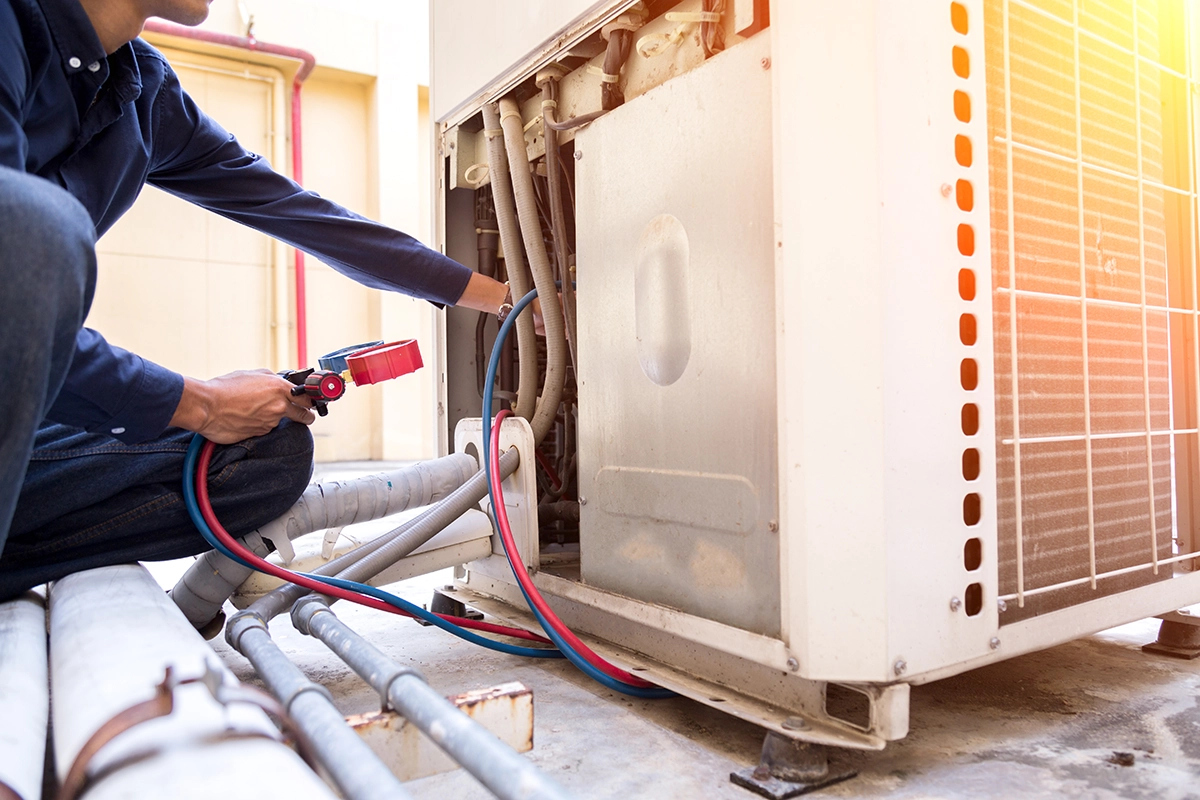
Component diagnosis requires specialized gauges, thermometers, and knowledge of proper refrigerant pressures. You also need to understand temperatures at different points in the cycle. That’s why professional service is essential — a technician can measure exactly what’s happening in your system and pinpoint the problem.
How Regular Maintenance Protects Your Refrigerant Cycle
Preventive maintenance is the best way to keep refrigerant cycling properly through your system year after year. During a maintenance visit, our technicians check refrigerant pressures and inspect for leaks. They also clean coils, verify proper airflow, and ensure all components are working correctly. Regular inspections help identify minor issues before they disrupt the cycle of refrigerant and cause major system failures.
We also look for early warning signs of problems — slightly low refrigerant levels, minor leaks, or components showing wear. Catching these issues early prevents the cascading failures that happen when one problem stresses other parts of the system. Regular maintenance extends equipment life, improves efficiency, and helps you avoid emergency breakdowns during Arizona’s brutal summer heat.
Most manufacturers recommend professional maintenance at least once per year, typically before cooling season begins. In our climate, where AC systems work hard for many months, this preventive care is even more critical. It’s an investment that pays for itself through lower energy bills, fewer repairs, and longer equipment life.
Trust Us for All Your AC Needs
Understanding the refrigerant cycle helps you appreciate how complex your air conditioning system really is. It also shows why professional service matters. When something goes wrong with this cycle, your comfort is on the line. Our team of certified technicians has the training, tools, and experience to diagnose refrigerant problems accurately and repair them correctly the first time.
Whether you’re dealing with warm air from your vents, ice on your AC unit, or you simply want to schedule preventive maintenance, we’re here to help. We combine expert technical knowledge with the traditional values of integrity and quality service. Your comfort is our priority, and we stand behind every job we complete.
Don’t let refrigerant problems leave you sweating through another Arizona summer. Contact our team today to schedule service or ask questions about your cooling system. We’re proud to serve Cottonwood and the surrounding communities with the reliable, professional HVAC service you deserve.
Frequently Asked Questions
How long does refrigerant last in an AC system?
Refrigerant should last the entire lifetime of your AC system because it circulates in a closed loop. It doesn’t get consumed during operation. If your system is low on refrigerant, it means there’s a leak that needs professional repair. A certified technician will locate the leak and properly recharge your system to prevent ongoing damage to your equipment. When properly maintained, the cycle of refrigerant continues indefinitely without needing replacement.
Can I add refrigerant to my AC myself?
No, handling refrigerant requires EPA certification and specialized equipment. DIY refrigerant recharging is illegal, dangerous, and can damage your system or cause personal injury. Additionally, adding refrigerant without diagnosing and repairing the underlying leak is a temporary fix. This allows ongoing damage. Always hire a licensed HVAC technician for refrigerant service to ensure proper diagnosis and legal, safe handling.
Why is ice forming on my air conditioner?
Ice on your AC typically indicates restricted airflow or low refrigerant. Both of these issues disrupt the refrigerant cycle. When refrigerant can’t absorb enough heat due to dirty coils, clogged filters, or low charge, its temperature drops below freezing. Then moisture in the air freezes on the coils. Turn off your system and call a professional immediately. Continued operation can damage the compressor.
How often should refrigerant levels be checked?
Refrigerant levels should be checked during annual maintenance visits by a certified technician. Since refrigerant doesn’t deplete during normal operation, frequent checking isn’t necessary. However, you should call for service if you notice reduced cooling, ice formation, or other warning signs. If levels are low, it indicates a leak that requires immediate professional attention to prevent compressor damage and restore efficient cooling performance.