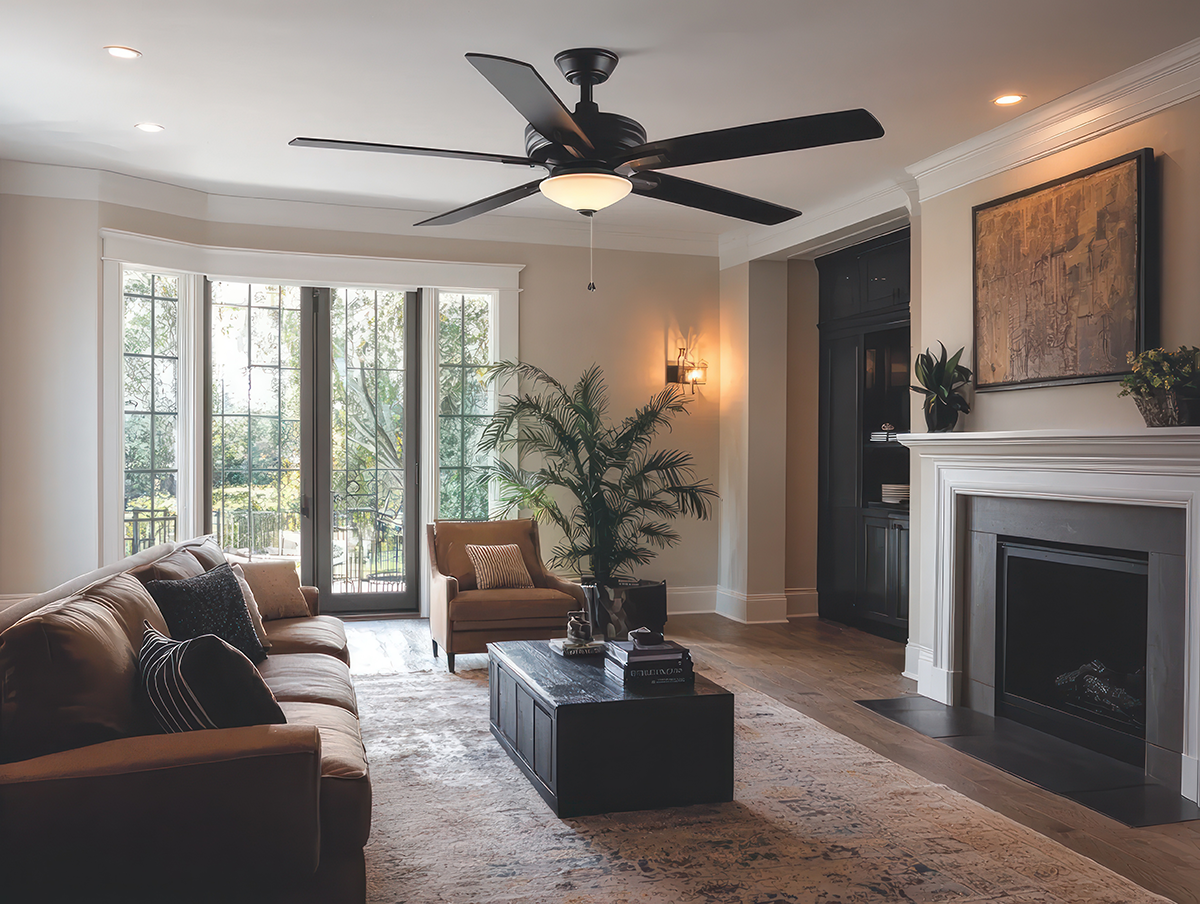
Have you noticed your ceiling fan isn’t helping your energy bills much? Or worse, does your home feel stuffier even when the fan runs constantly? The issue might be simpler than you think. In fact, it’s all about setting your ceiling fan direction for summer the right way. When warm weather arrives, switching your fan to the correct rotation can make a significant difference in comfort and energy savings. We see a lot of homeowners overlook this simple adjustment, even though it can make a real difference in comfort and energy savings.
Most people assume ceiling fans work the same way all year long. However, the truth is quite different. Because hot air naturally rises and cool air sinks, your fan’s rotation direction should change with the seasons. Getting this right means you’ll feel cooler without cranking up your air conditioner. As a result, this translates directly into lower utility bills throughout the summer months.
Understanding Ceiling Fan Rotation and Airflow Patterns
Ceiling fans don’t actually cool the air. Instead, they create a wind chill effect that makes your skin feel cooler. The direction your fan blades spin determines how air circulates throughout your room. During summer, you want that breeze flowing directly downward onto the people below.
When you look up at your ceiling fan, counterclockwise rotation pushes air straight down. This downward airflow creates that refreshing breeze across your skin. In fact, it can make a room feel up to 8 degrees cooler. The actual temperature stays the same. You just feel more comfortable because of increased evaporation from your skin.
In contrast, clockwise rotation pulls air upward. Then it pushes air along the ceiling before it gently circulates down the walls. While this pattern works beautifully in winter to redistribute warm air, it’s exactly what you don’t want when temperatures climb. That gentle circulation won’t create the cooling breeze effect you need on hot days.
How to Identify If Your Ceiling Fan Direction Needs Professional Adjustment
Your ceiling fan might be rotating in the wrong direction if it isn’t giving you the cooling comfort you expect during summer. Usually, it only takes a quick inspection to tell. The direction switch is typically located on the fan’s motor housing. In most cases, the issue comes down to whether the fan is turning counterclockwise or clockwise.
When checking a ceiling fan, one of the first things to look at is the blade movement and airflow pattern. For summer, the fan should spin counterclockwise so it pushes air downward into the room. You should feel that airflow when standing beneath the fan. If you don’t, the direction likely needs to be changed.
The direction switch itself is usually a small sliding toggle on the side or bottom of the motor casing. Because fan manufacturers design these switches differently, the “summer” setting can vary by brand. We work on all major ceiling fan brands, so we can usually identify the right setting and adjust it quickly.
The Energy Savings Connection
Running your ceiling fan in the correct direction can help you save considerable money on cooling costs. When you feel that direct breeze, you can typically raise your thermostat setting by 4 to 8 degrees without sacrificing comfort. Since air conditioning accounts for a large portion of summer energy bills, even a few degrees makes a substantial difference.
For instance, many homeowners keep their thermostat at 72 degrees during summer. With ceiling fans running counterclockwise, you might feel just as comfortable at 76 or even 78 degrees. That adjustment alone can reduce your cooling costs by 10 to 15 percent over an entire summer season.
Keep in mind that ceiling fans cool people, not rooms. According to ENERGY STAR’s ceiling fan usage tips, you should turn the fan off when the room is unoccupied to avoid wasting energy.
That’s why we recommend turning them off when you leave a room. Running a fan in an empty space wastes electricity without providing any benefit. This habit maximizes your energy savings while still keeping you comfortable in occupied rooms.
Common Ceiling Fan Problems Beyond Summer Direction Settings
We’ve seen homeowners set the fan direction correctly and still not get the cooling effect they expected. Several issues could be at play. For example, wobbling fans often indicate loose mounting brackets or unbalanced blades. This reduces airflow efficiency and creates annoying noise.
Dust buildup on fan blades can also reduce performance. Even a thin layer of dust changes the blade’s aerodynamic profile. As a result, less air moves with each rotation. We usually recommend regular cleaning to help maintain better airflow over time. However, if your fan hasn’t been cleaned in years, the accumulated grime may be substantial.
Older fans sometimes develop motor issues that prevent them from reaching full speed. If your fan seems sluggish even on the highest setting, the motor might be wearing out. Similarly, the direction switch may feel loose or not stay in position. This often means internal components have deteriorated over time.
Sometimes the problem is electrical rather than mechanical. Flickering lights on fan units, inconsistent speeds, or complete failure to start often point to wiring issues. Because ceiling fans involve both electrical and mechanical components mounted overhead, diagnosing these problems takes experience. It also calls for the right tools and safety precautions.
When to Call a Professional
While checking your fan’s direction is fairly straightforward, some ceiling fan problems need professional attention. If your fan wobbles excessively, the mounting bracket may be loose, damaged, or not properly supported. We recommend having the ceiling box and mounting hardware inspected before the problem gets worse.
Unusual noises like grinding, clicking, or humming can point to internal mechanical problems. In some cases, worn parts, loose components, or motor issues may be affecting how the fan runs.
Any situation involving exposed wiring should be addressed right away. The same goes for tripped breakers tied to the fan or any burning smell near the fixture. Electrical problems in ceiling-mounted equipment can create serious safety risks, so it’s best to have them checked promptly. If you need help getting the issue diagnosed, contact Trio Quality Services.
Maximizing Comfort Throughout Your Home
Using the right summer ceiling fan direction setting works best when paired with a few other cooling habits. Along with running fans counterclockwise, close blinds and curtains during the hottest parts of the day to block solar heat gain. This combination helps your air conditioning system work more efficiently.
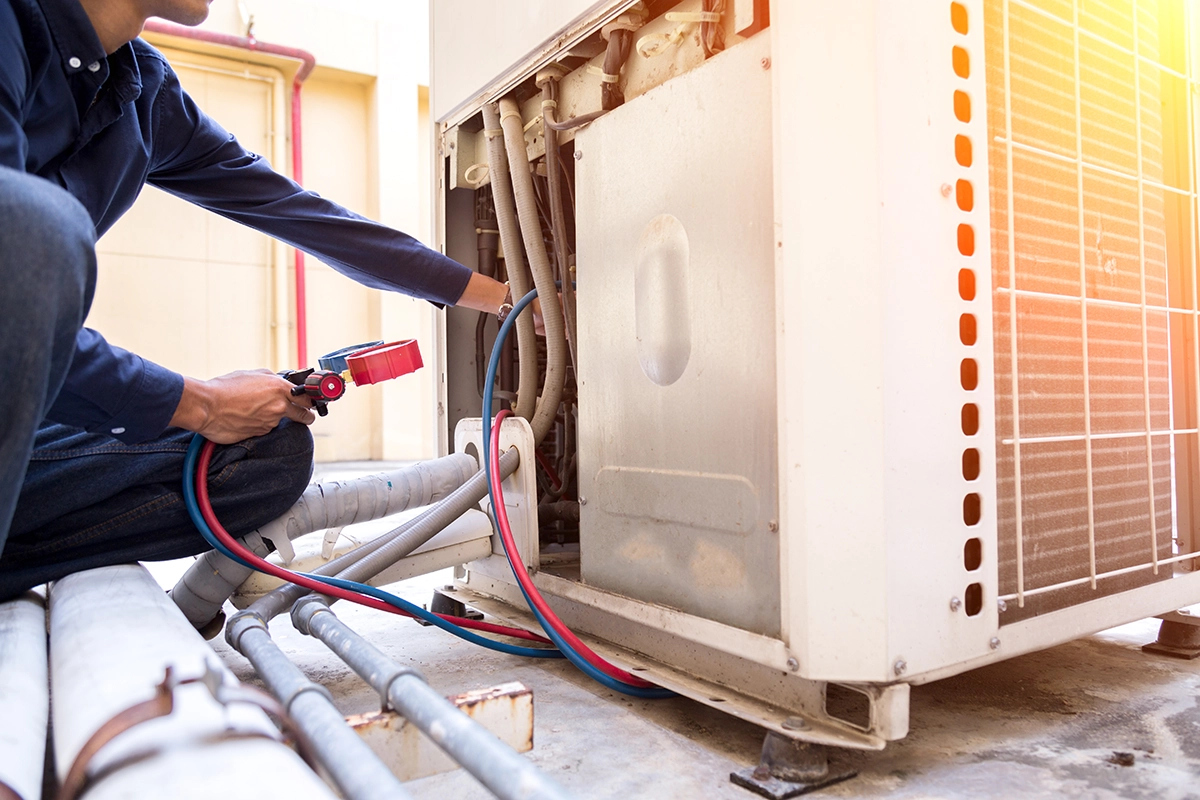
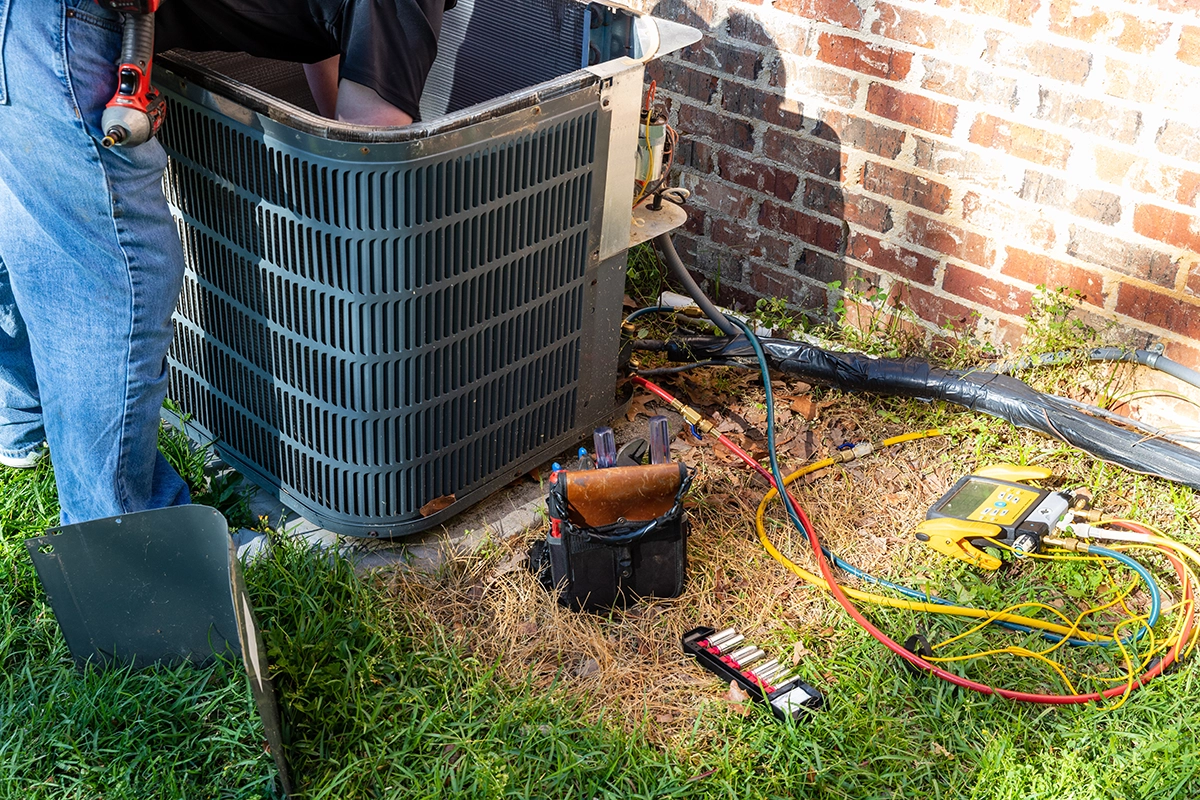
Some rooms might still feel warmer than others, even with the fan set correctly. In those cases, the issue may be with your HVAC system instead. Uneven cooling can point to ductwork problems, refrigerant issues, or an older air conditioner that’s starting to struggle. We help homeowners in Cottonwood and the surrounding areas figure out what’s causing those comfort issues and recommend the right fix.
Remember that ceiling fans complement your air conditioning rather than replace it. On extremely hot days, you’ll still need your AC running. However, the combination of cool air and air circulation creates the most comfortable environment. This balanced approach keeps your family comfortable while managing energy costs effectively.
Frequently Asked Questions About the Right Ceiling Fan Direction for Summer
Which direction should a ceiling fan turn in summer?
For summer, your ceiling fan should spin counterclockwise when viewed from below. This direction pushes air straight down, creating a cooling breeze effect on your skin. The downward airflow makes rooms feel up to 8 degrees cooler. Therefore, this allows you to raise your thermostat and save energy.
How do I know if my ceiling fan is going the right direction?
Stand directly under your running fan and look up. In summer mode, the blades should move counterclockwise, with leading edges going from right to left. You should feel a strong downward breeze. If you don’t feel air pushing down or see clockwise rotation, a qualified technician needs to change the direction switch.
Does ceiling fan direction really make a difference?
Yes, fan direction significantly impacts comfort and energy costs. Counterclockwise summer rotation creates direct cooling breezes that make you feel cooler. This lets you raise your thermostat 4-8 degrees. Clockwise winter rotation circulates warm air differently. Using the wrong direction wastes electricity without providing proper comfort benefits.
Can I leave ceiling fans on when I’m not home?
No, you should turn ceiling fans off in unoccupied rooms. Fans cool people through wind chill effect, not by lowering air temperature. Running fans in empty rooms wastes electricity without any benefit. Only use ceiling fans in rooms where people are present to maximize energy efficiency and cost savings.