Every cooling system relies on AC refrigerant to transfer heat out of your home. This process keeps indoor spaces comfortable. Without enough refrigerant or when leaks develop, your air conditioner can’t do its job properly. Understanding how this essential component works helps you recognize problems early. It also protects your investment in home comfort. We’ve helped countless homeowners in Cottonwood and surrounding areas diagnose refrigerant issues. So let’s explore what you need to know about this critical part of your cooling system.
What Is AC Refrigerant and How Does It Work?
Refrigerant is a specialized chemical compound that absorbs heat from inside your home. Then it releases that heat outdoors. This substance flows through a closed-loop system in your air conditioner. It constantly changes between liquid and gas states. As it evaporates in the indoor coil, it pulls heat from the air passing over it. Then it travels to the outdoor unit where it releases that heat. After that, it returns to a liquid state before the cycle repeats.
Think of refrigerant as the lifeblood of your AC system. Just like your body needs the right amount of blood to function, your air conditioner requires the precise amount of refrigerant. The manufacturer specifies this exact amount. That’s why we emphasize that refrigerant doesn’t get “used up” during normal operation. Instead, it circulates endlessly through the system unless there’s a leak.
Common Types of Refrigerant
Different air conditioning systems use different refrigerants. Older units typically contain R-22, also known as Freon. This type has been phased out due to environmental concerns. In fact, according to the Environmental Protection Agency, R-22 production and import ended in the United States on January 1, 2020. Newer systems use more environmentally friendly options like R-410A (Puron) or R-32. When our certified technicians service your system, we always check which type your unit requires. This is because mixing refrigerants can cause serious damage.
Signs Your AC Has a Refrigerant Problem
Recognizing the warning signs of low refrigerant can save you from costly repairs down the road. These symptoms indicate it’s time to call our team for professional service.
Your Home Won’t Cool Down
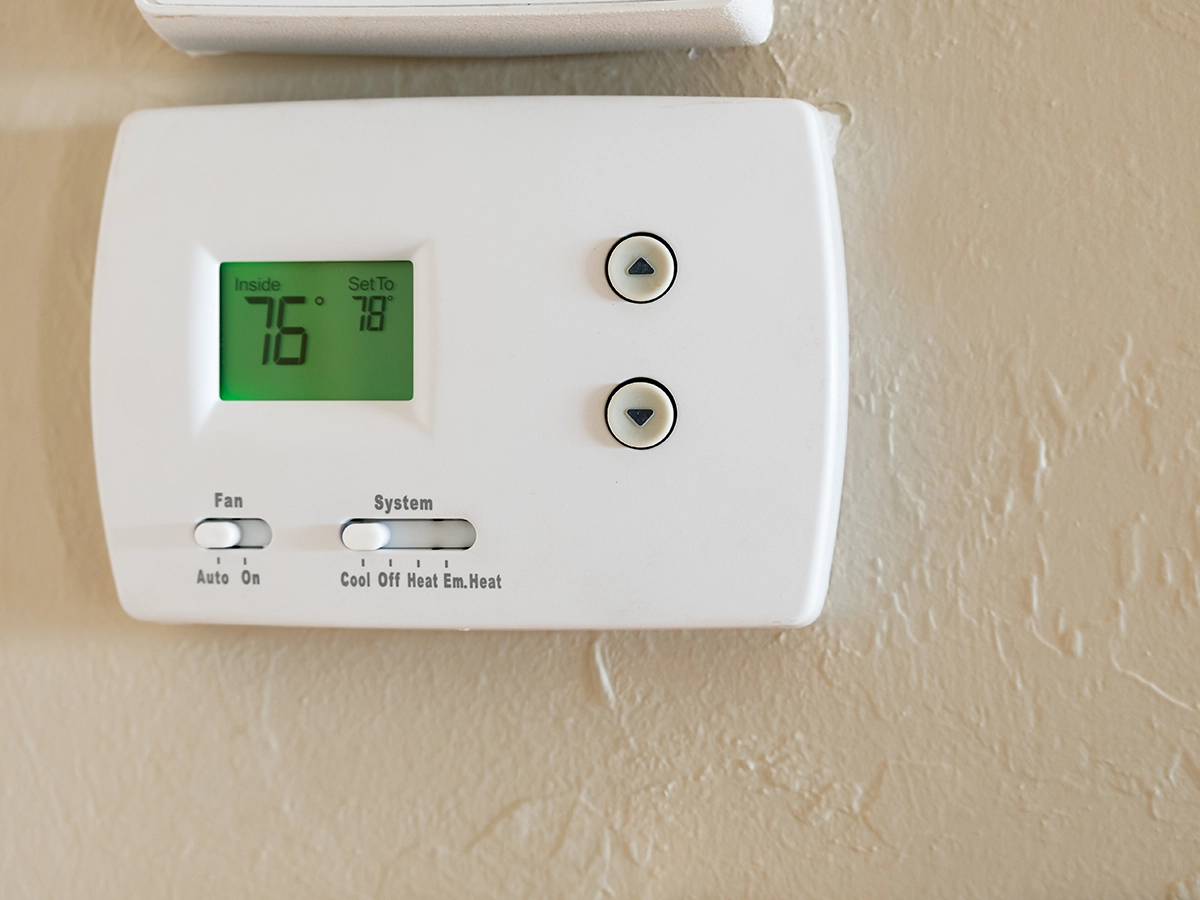
When refrigerant levels drop, your air conditioner loses its ability to absorb heat effectively. You might notice your system runs constantly but never reaches the temperature you set on the thermostat. Even though the unit sounds like it’s working hard, warm air keeps blowing through your vents. This happens because there isn’t enough refrigerant to complete the heat exchange process properly.
Ice Buildup on the Refrigerant Lines
Low refrigerant causes pressure changes inside your AC system. These changes lead to ice formation on the copper lines running between your indoor and outdoor units. You might see frost or ice on the larger insulated line near your air handler. While it seems counterintuitive that a cooling system with ice isn’t working properly, this frozen buildup actually prevents proper cooling. Moreover, it signals a serious problem that needs immediate attention.
Hissing or Bubbling Sounds
Strange noises often point to refrigerant leaks. A hissing sound usually means refrigerant is escaping through a small hole or crack in the line. Bubbling or gurgling noises can indicate that air has entered the refrigerant lines where it doesn’t belong. Since refrigerant systems operate under specific pressure conditions, these sounds are red flags. They shouldn’t be ignored.
Higher Energy Bills Without Explanation
When your air conditioner doesn’t have adequate refrigerant, it works much harder to cool your home. The compressor runs longer cycles trying to compensate for reduced cooling capacity. This extended runtime directly translates to increased energy consumption. If your electricity bills have climbed significantly during cooling season without a corresponding increase in usage, a refrigerant issue could be the culprit.
Why AC Refrigerant Levels Drop
Understanding why refrigerant levels decrease helps you appreciate why professional service is essential. Unlike fuel or oil, refrigerant shouldn’t need regular refilling in a properly functioning system.
Leaks Are the Primary Cause
The only reason refrigerant levels drop is because of leaks somewhere in the system. These leaks can develop in various locations. For instance, they occur at connection points, in the coils, or along the refrigerant lines. Vibration from normal operation, corrosion over time, or even damage from installation can create tiny holes. These holes allow refrigerant to escape. Because the system is sealed, any loss of refrigerant means there’s a breach that needs repair.
Corrosion and Age-Related Deterioration
Over the years, components in your cooling system naturally deteriorate. Copper lines can develop pinhole leaks due to corrosion, especially in areas with high humidity. The coils inside your air handler and outdoor unit are particularly vulnerable. This is because they’re constantly exposed to moisture and temperature changes. That’s why regular maintenance is so important. Our certified technicians can spot early signs of corrosion before they become full-blown leaks.
What Happens During Professional Refrigerant Service
When you call us for suspected refrigerant problems, we follow a systematic approach. This process helps us diagnose and resolve the issue correctly. Simply adding more refrigerant without fixing the underlying problem wastes money. Additionally, it doesn’t solve anything.
Thorough Leak Detection
Our certified technicians use specialized tools to locate exactly where refrigerant is escaping. This might involve electronic leak detectors, UV dye, or nitrogen pressure tests. Finding every leak is critical because even the smallest hole will continue draining refrigerant after a recharge. We’ve seen cases where homeowners paid multiple times to “top off” their system. However, they had the same problem recur because the leak wasn’t properly identified and repaired.
Proper Repair and Recharging
Once we locate all leaks, we repair them using approved methods for your specific system. This might involve replacing a section of line, fixing connections, or in some cases, replacing a coil. Only after repairs are complete will we evacuate any remaining old refrigerant. Then we recharge the system to the manufacturer’s exact specifications. Precision matters here because too little or too much refrigerant both cause problems. Our technicians use calibrated gauges and follow strict protocols. This ensures your system has exactly the right amount.
The Importance of Professional Refrigerant Handling
Working with air conditioning refrigerant requires specialized knowledge, equipment, and certification. This isn’t a task for DIY attempts. There are excellent reasons why.
The EPA requires technicians to be certified under Section 608 of the Clean Air Act before handling refrigerants. These regulations exist because refrigerants can be harmful to the environment when released improperly. They’re also dangerous to handle without proper training. Certified technicians understand the safety protocols. They have the right recovery equipment and know how to work with these substances safely. This protects both the environment and prevents personal injury.
Beyond legal requirements, the technical complexity of refrigerant service demands professional expertise. Charging a system correctly requires understanding superheat and subcooling measurements. It also means knowing the specific requirements for different refrigerant types and having gauges calibrated for accurate readings. We invest in ongoing training and specialized equipment because getting it right protects both your comfort and your investment in your cooling system.
Preventing Refrigerant Problems
While you can’t stop all refrigerant issues, regular maintenance significantly reduces the likelihood of problems developing. During our tune-up visits, our certified technicians check refrigerant levels. They also inspect connections for potential leaks and examine coils for signs of corrosion. Catching small issues early prevents them from becoming expensive emergencies. This is especially important during Cottonwood’s hottest months.
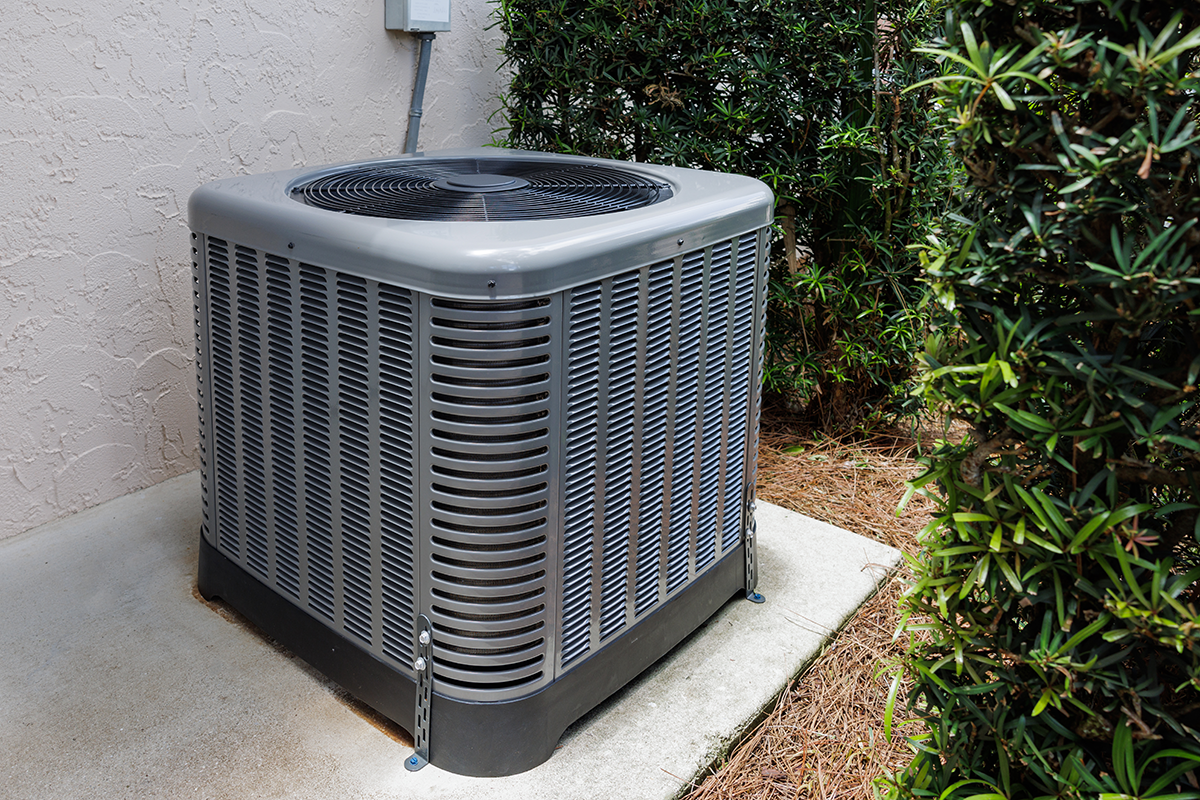
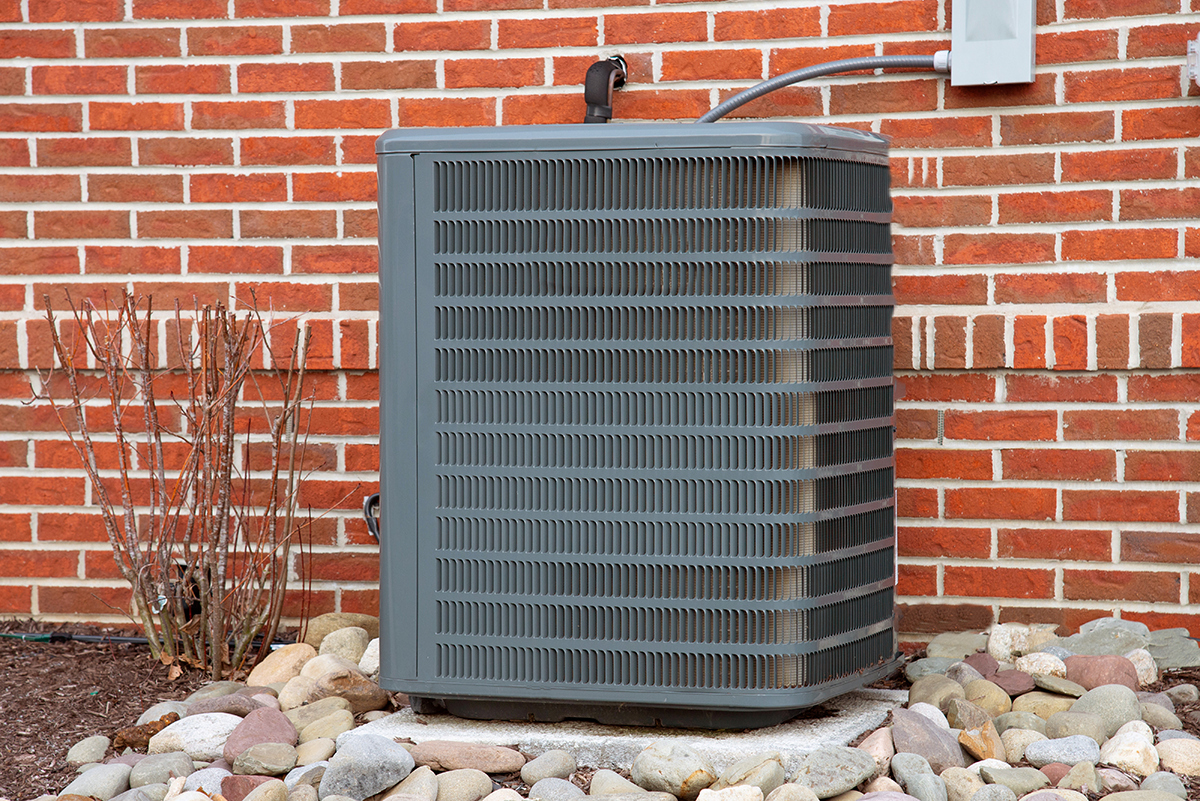
Keeping the area around your outdoor unit clear also helps. Debris, vegetation, and lawn chemicals can contribute to coil corrosion. Eventually, this leads to leaks. We recommend maintaining at least two feet of clearance around your condenser unit. Also, avoid using weed trimmers directly next to the unit where you might accidentally damage refrigerant lines. Following proper air conditioning maintenance practices can extend your system’s lifespan and prevent costly repairs.
When to Call for Refrigerant Service
Don’t wait until your system stops cooling completely to address refrigerant concerns. If you notice any of the warning signs we’ve discussed, reach out to our team right away. These signs include poor cooling performance, ice buildup, unusual sounds, or climbing energy bills. Early intervention typically means simpler, less expensive repairs. Plus, running your system with low refrigerant levels can damage the compressor. This is one of the most costly components to replace.
At Trio Quality Services, we understand that refrigerant issues can develop suddenly. They affect your family’s comfort. Our experienced technicians arrive prepared with the tools and knowledge to accurately diagnose problems. We perform EPA-compliant repairs and restore your system to peak performance. We serve homeowners throughout Cottonwood and nearby communities with expert craftsmanship and personalized care. This comes from our commitment to quality service. Contact us today to schedule your refrigerant service.
Frequently Asked Questions
How often does AC refrigerant need to be replaced?
Refrigerant never needs replacing in a properly functioning system. This is because it continuously circulates in a closed loop. If your system loses refrigerant, there’s always a leak that requires repair. Simply adding refrigerant without fixing the leak is a temporary solution. It wastes money and doesn’t address the underlying problem.
Can I add refrigerant to my air conditioner myself?
No, you cannot legally add refrigerant yourself. EPA regulations require Section 608 certification to purchase and handle refrigerants. Additionally, proper refrigerant service requires specialized equipment, training, and techniques. This ensures the correct amount is added and the system operates safely. Always hire a licensed HVAC professional for refrigerant service.
How much does it cost to fix a refrigerant leak?
Refrigerant leak repair costs vary widely. The price depends on the leak location, system accessibility, and whether components need replacement. A simple connection repair costs less than replacing a leaking coil. During our service visit, we provide a detailed diagnosis and transparent pricing before beginning any repair work. This way, you understand exactly what’s needed.
What’s the difference between R-22 and R-410A refrigerant?
R-22, also called Freon, is an older refrigerant that’s been phased out due to environmental concerns. It’s no longer produced in the U.S. R-410A, marketed as Puron, is the standard refrigerant for newer systems. It’s more environmentally friendly. These refrigerants are not interchangeable. Systems designed for one cannot use the other without complete replacement.