Your air conditioning system relies on refrigerant to cool your home effectively. When AC refrigerant levels drop or the system develops leaks, your AC’s performance suffers dramatically. Understanding the warning signs of refrigerant problems can help you identify issues early and prevent costly damage to your cooling system.
At Trio Cooling Heating Plumbing, our certified technicians have extensive experience diagnosing and resolving refrigerant issues throughout Cottonwood, AZ, and surrounding communities. With our Native American heritage guiding our commitment to integrity and excellence, we provide reliable solutions that restore your home’s comfort.
Common Signs of AC Refrigerant Problems
Refrigerant issues rarely happen overnight. Instead, they develop gradually and present specific warning signs that homeowners can learn to recognize. Identifying these symptoms early helps prevent more extensive damage to your cooling system.
Reduced Cooling Performance
When refrigerant levels drop, your air conditioner struggles to absorb and release heat effectively. You’ll notice that your home takes longer to reach the desired temperature, or certain rooms never seem to cool down properly. The system may run continuously without achieving comfortable temperatures.
Ice Formation on Indoor Components
Low refrigerant causes the evaporator coil to become extremely cold, leading to ice buildup on the coil and surrounding components. If you see frost or ice on your indoor unit, this indicates a serious refrigerant issue that requires immediate professional attention.
Higher Energy Bills
An AC system with refrigerant problems works harder to cool your home, consuming more electricity in the process. If you notice unexplained spikes in your energy costs during cooling season, refrigerant issues could be the culprit.
Unusual Sounds and Hissing
Refrigerant leaks often produce distinctive hissing sounds near the outdoor unit or refrigerant lines. You might also hear bubbling or gurgling noises as the system struggles to circulate the remaining refrigerant properly.
Understanding Different Refrigerant Types
Modern air conditioning systems use various types of refrigerant, each with specific properties and applications. Understanding these differences helps homeowners make informed decisions about repairs and replacements.
Traditional systems often use R-410A refrigerant, while newer models incorporate more environmentally friendly options. R454B refrigerant represents one of the newer alternatives designed to reduce environmental impact while maintaining excellent cooling performance.
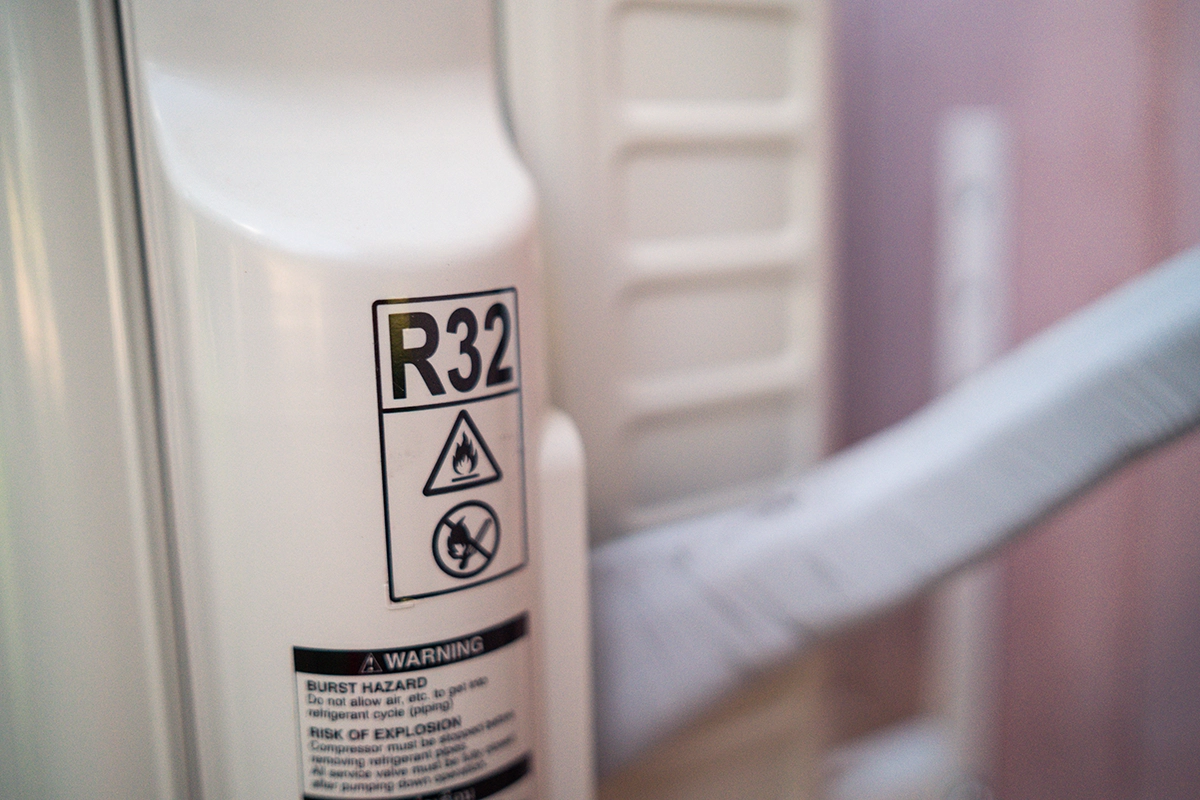
Another modern option, R32 refrigerant, offers improved energy efficiency and lower global warming potential compared to older refrigerants. These newer refrigerants require specific handling procedures and specialized equipment for service.
How Refrigerant Works in Your AC System
Refrigerant circulation forms the foundation of your air conditioning system’s cooling process. The refrigerant cycle involves continuous phase changes between liquid and gas states as the substance absorbs heat from your indoor air and releases it outside.
This complex process requires precise refrigerant levels and pressures to function correctly. When leaks occur or refrigerant becomes contaminated, the entire cooling cycle becomes compromised, leading to reduced efficiency and potential system damage.
Common Causes of Refrigerant Problems
System Leaks
Refrigerant leaks develop in various locations throughout your AC system. Corrosion, vibration, and age can cause small holes in refrigerant lines, coils, or connections. These leaks allow refrigerant to escape gradually, reducing system performance over time.
Installation Issues
Improper installation can lead to refrigerant problems from the start. Incorrectly charged systems, poorly connected lines, or damaged components during installation create ongoing refrigerant issues that affect system performance and longevity.
Wear and Aging
As AC systems age, seals deteriorate and connections loosen, creating pathways for refrigerant to escape. Regular maintenance helps identify these developing issues before they become major problems requiring extensive repairs.
Why Professional Service Matters
Refrigerant handling requires specialized training, certification, and equipment. The EPA requires technicians to be certified to purchase, handle, and dispose of refrigerant materials safely.
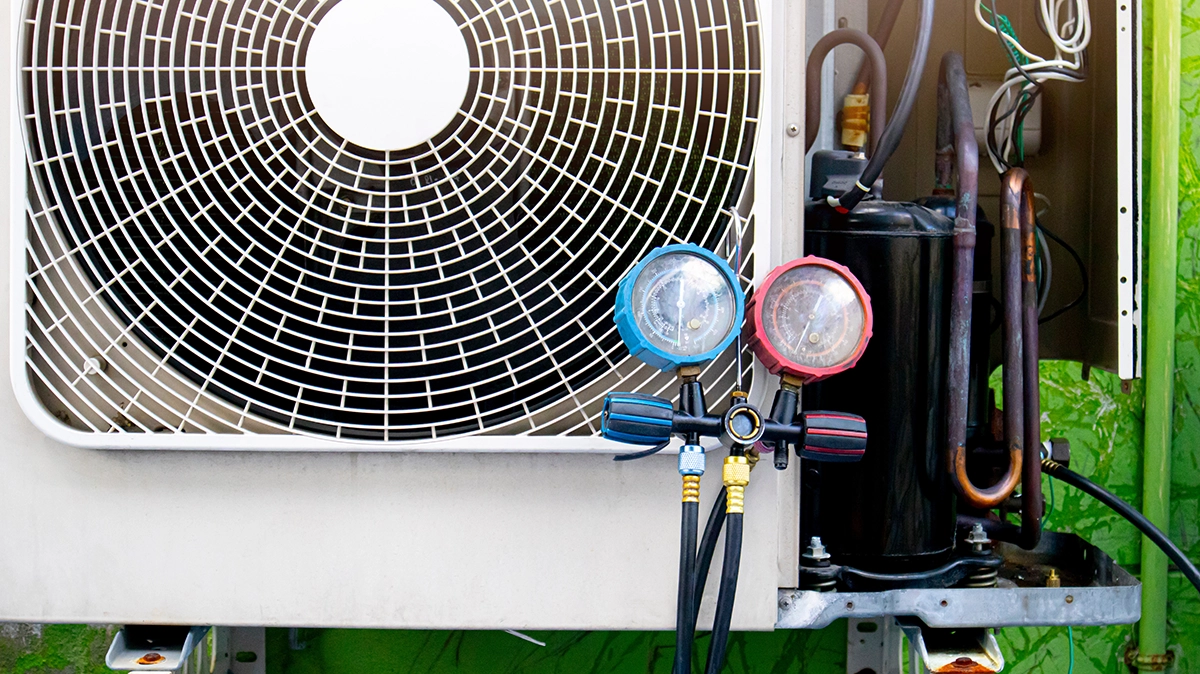
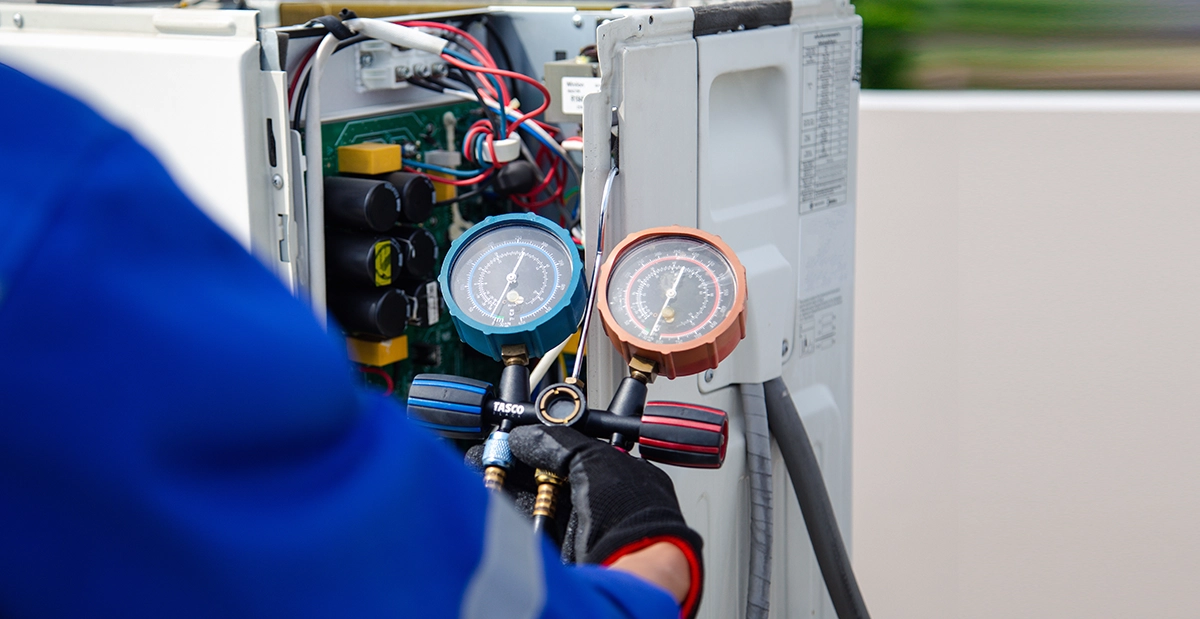
Professional technicians use electronic leak detectors, pressure gauges, and recovery equipment to diagnose problems accurately and perform repairs safely. They also ensure proper refrigerant levels and pressures for optimal system performance.
Diagnostic Process
Certified technicians begin by checking system pressures and temperatures to identify refrigerant-related issues. They inspect all refrigerant lines, connections, and components for signs of leaks or damage. Advanced leak detection equipment helps locate even small leaks that might not be immediately visible.
Repair and Recharge Process
Once a certified technician identifies and repairs any leaks, they evacuate the system to remove air and moisture. Then they recharge the system with the correct type and amount of refrigerant according to manufacturer specifications. This process ensures optimal cooling performance and system efficiency.
Preventing Refrigerant Problems
Regular maintenance helps prevent many refrigerant issues before they develop into costly repairs. Annual professional inspections allow technicians to identify potential leak points, check refrigerant levels, and ensure all connections remain secure.
Protecting outdoor units from physical damage also prevents refrigerant line damage. Keep landscaping trimmed away from the unit and avoid placing heavy objects near refrigerant lines.
When to Call for Professional Service
Don’t wait for complete system failure to address refrigerant problems. If you notice any warning signs of refrigerant issues, contact a certified technician promptly. Early intervention prevents more extensive damage and keeps repair costs manageable.
Our experienced team serves homeowners throughout Cottonwood, AZ and surrounding communities with reliable refrigerant services. We combine traditional values of integrity and craftsmanship with modern technical expertise to deliver exceptional results every time.
Contact Trio Quality Services today for professional refrigerant service and restore your air conditioning system’s peak performance.
Frequently Asked Questions About AC Refrigerant
How do I know if my AC is low on refrigerant?
Common signs include reduced cooling performance, ice formation on indoor components, higher energy bills, and hissing sounds near the outdoor unit. Your AC may run constantly without reaching the desired temperature.
Can I add refrigerant to my AC system myself?
No, refrigerant handling requires EPA certification and specialized equipment. Only licensed technicians can legally purchase, handle, and add refrigerant to AC systems.
How often does AC refrigerant need to be replaced?
Refrigerant doesn’t wear out or get consumed during normal operation. If levels are low, there’s likely a leak that needs professional repair before adding new refrigerant.
What causes refrigerant leaks in AC systems?
Leaks typically result from corrosion, vibration damage, aging seals, or installation issues. Regular maintenance helps identify potential leak points before they become major problems.